Sony — Untangling Global Sync Licensing.
Sony Music Publishing needed to modernize a fragmented sync-licensing workflow used across global offices. I led the design of a CRM experience that clarified the relationships between songs, rights, quotes, approvals, clients, opportunities, and deals — so teams could move licensing work faster, with less manual coordination.
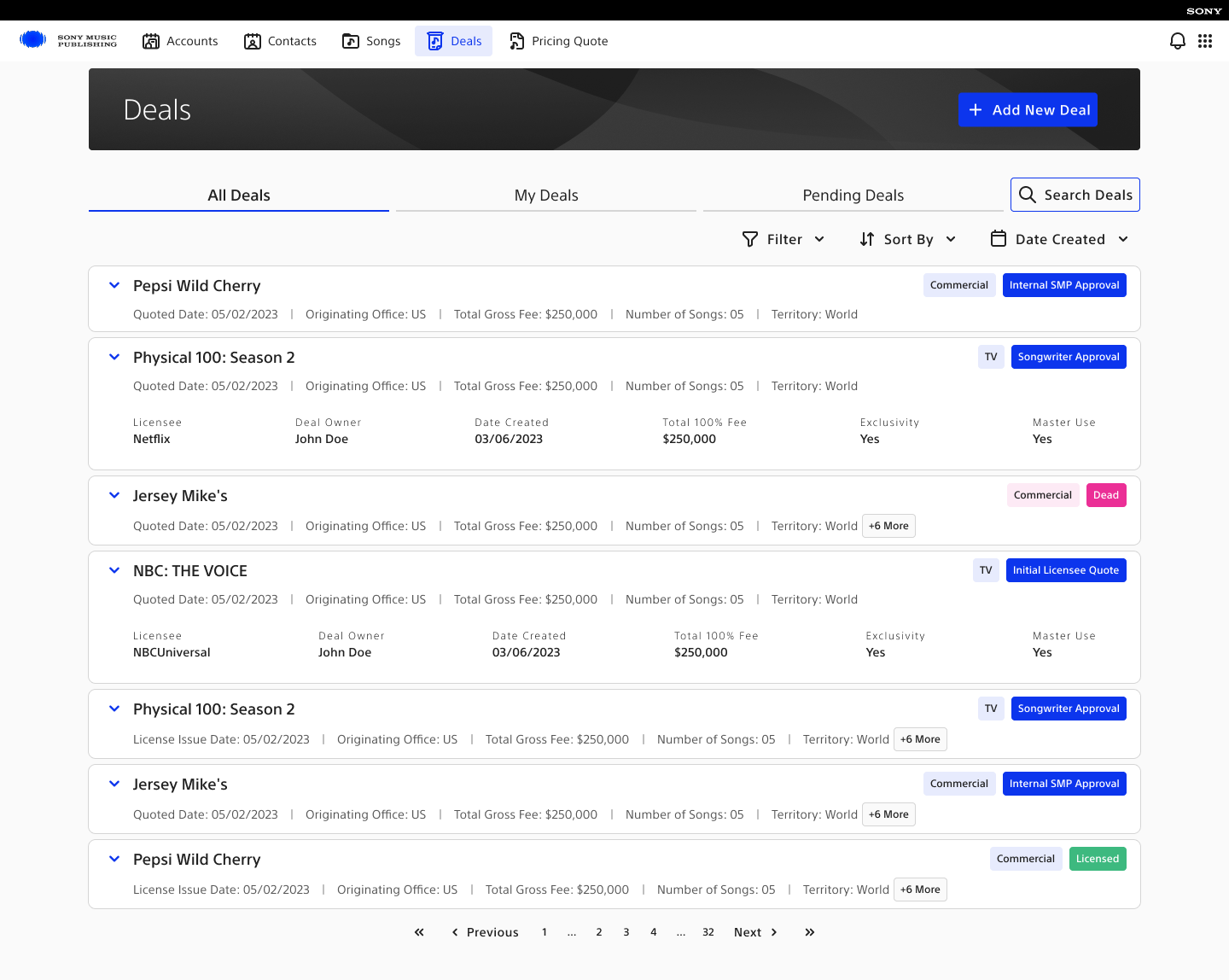
Sync licensing is a high-value workflow with a lot of hidden complexity. A single request can involve songs, recordings, rights, territories, usage terms, client context, pricing, approvals, negotiations, and legal constraints — collaborative, time-sensitive work that depends on accurate information moving across teams.
Before the redesign, too much of that was held together by manual effort and disconnected systems.
The problem
Fragmented tools, inconsistent workflows.
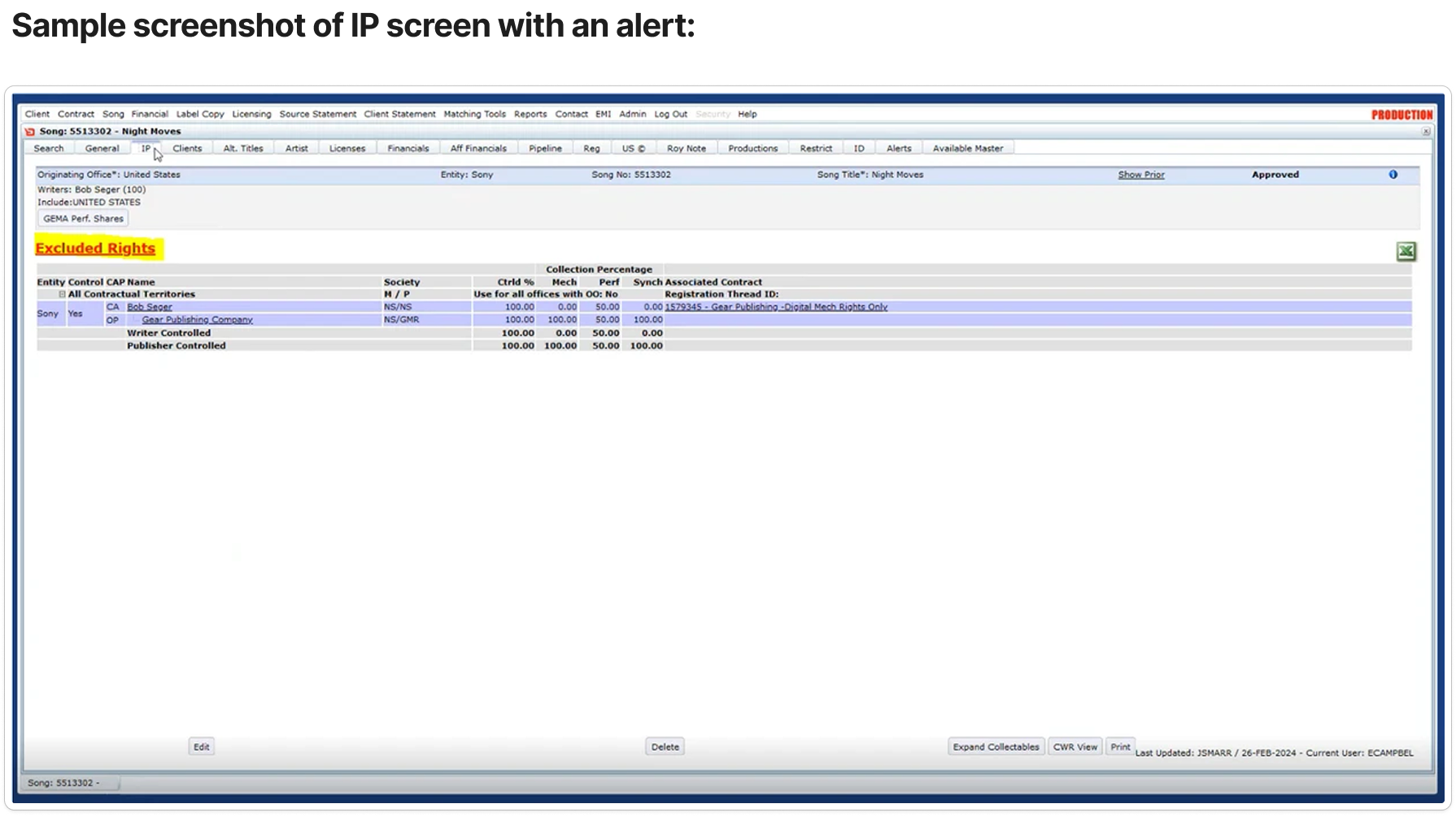
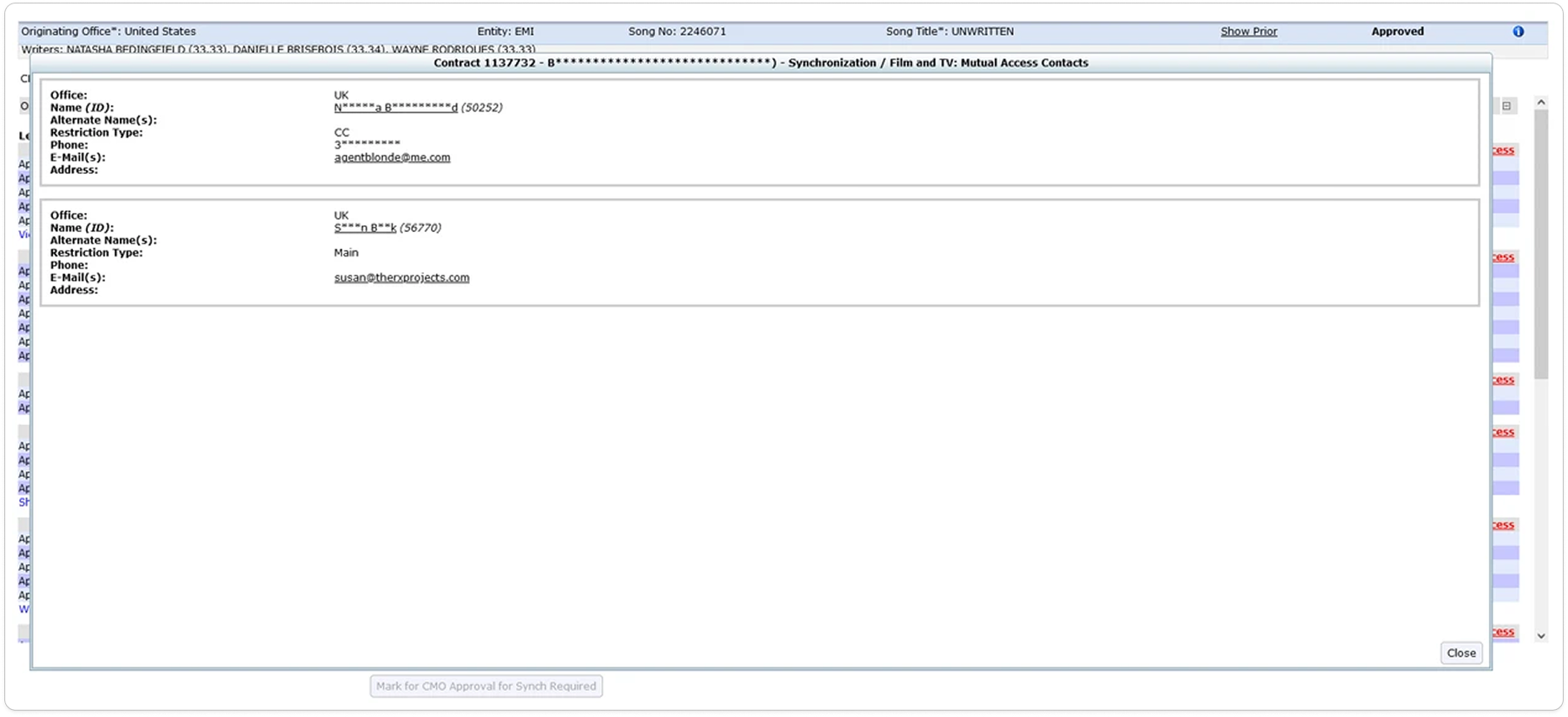
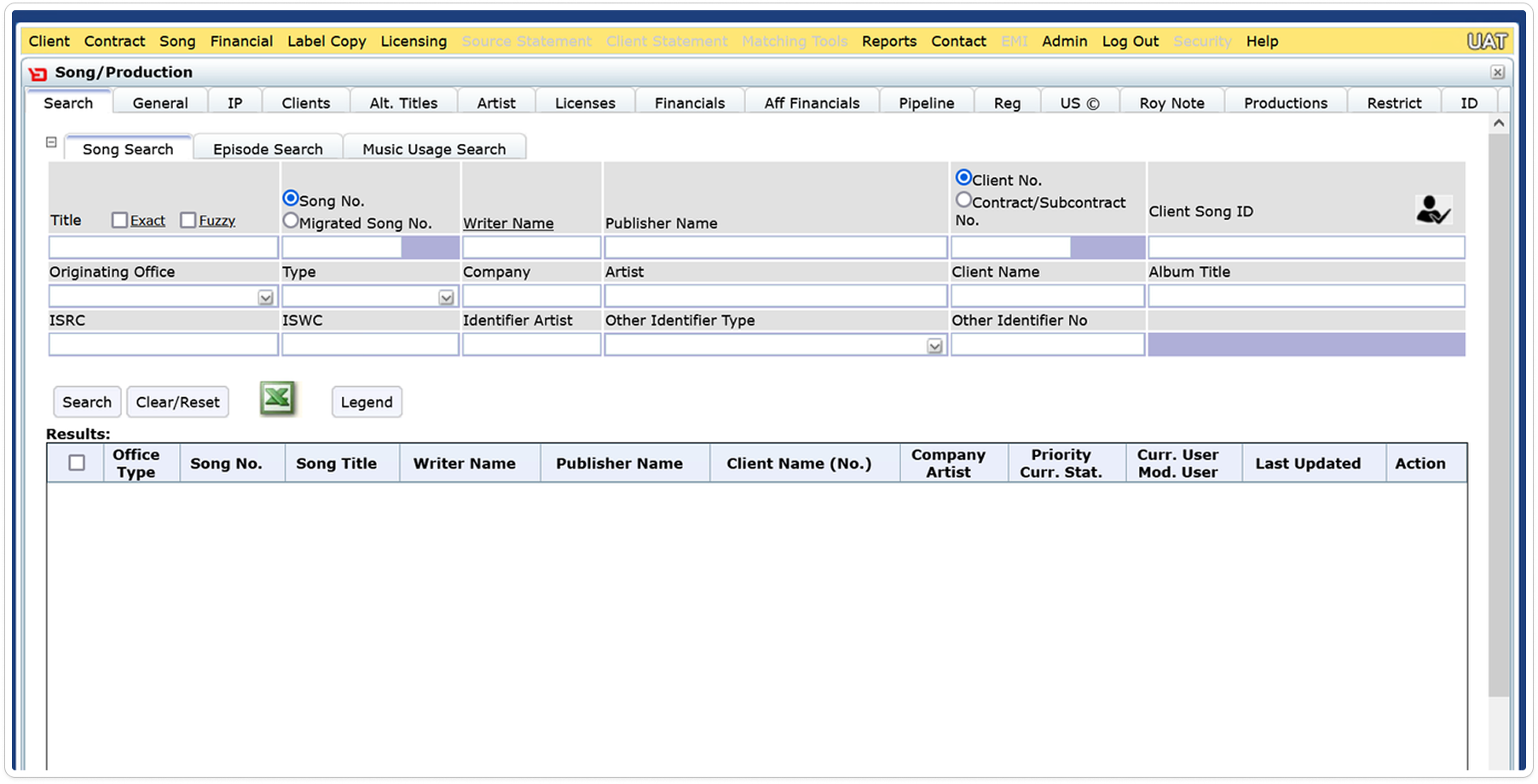
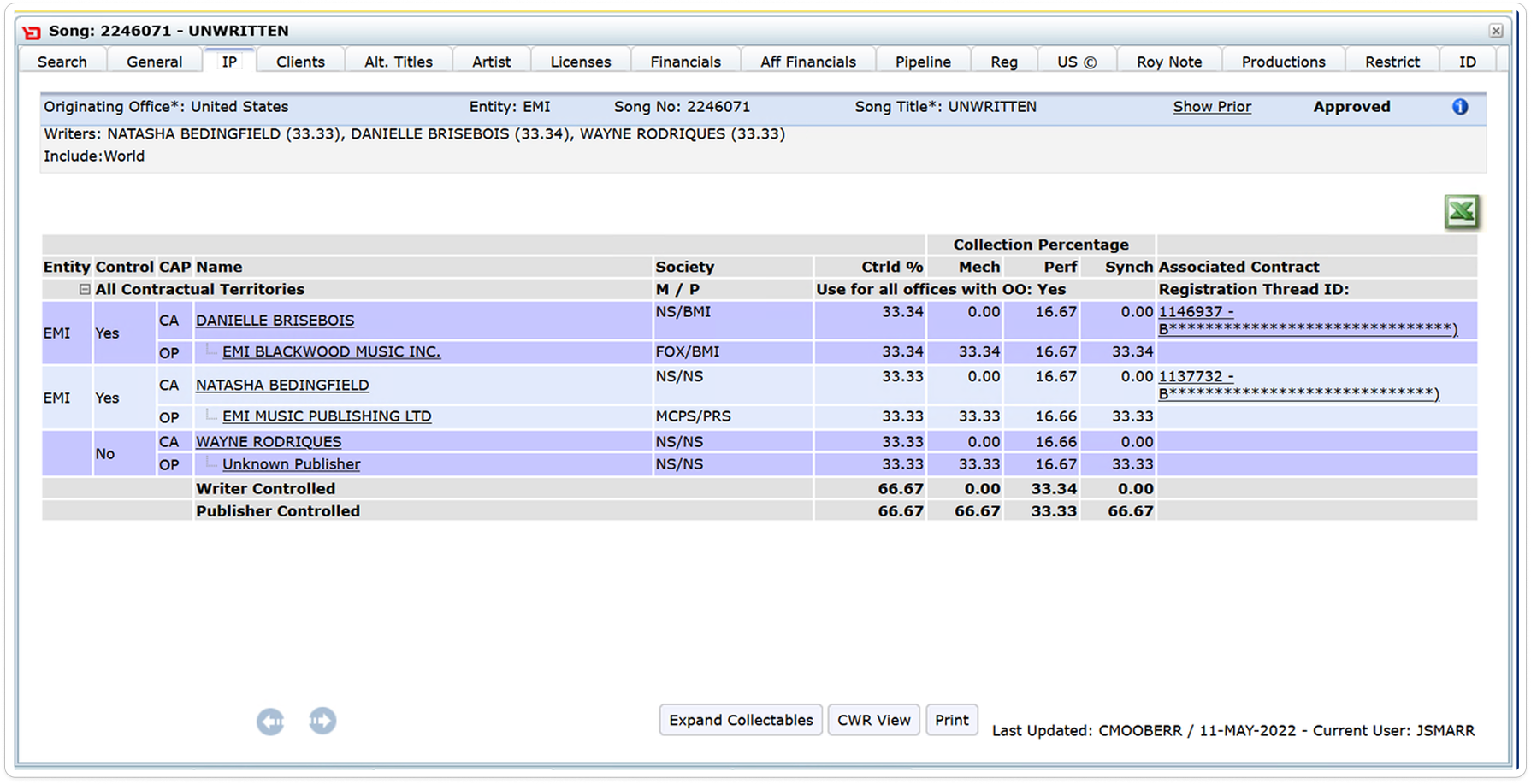
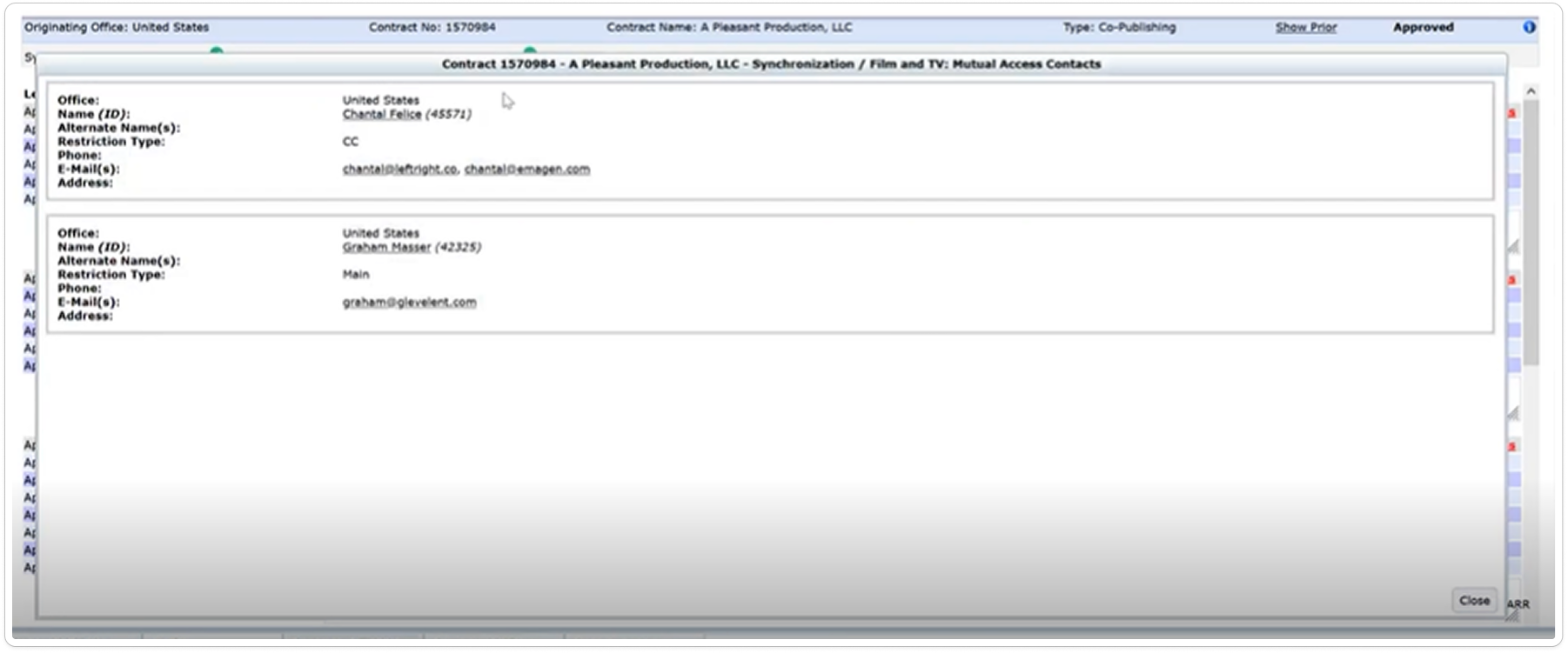
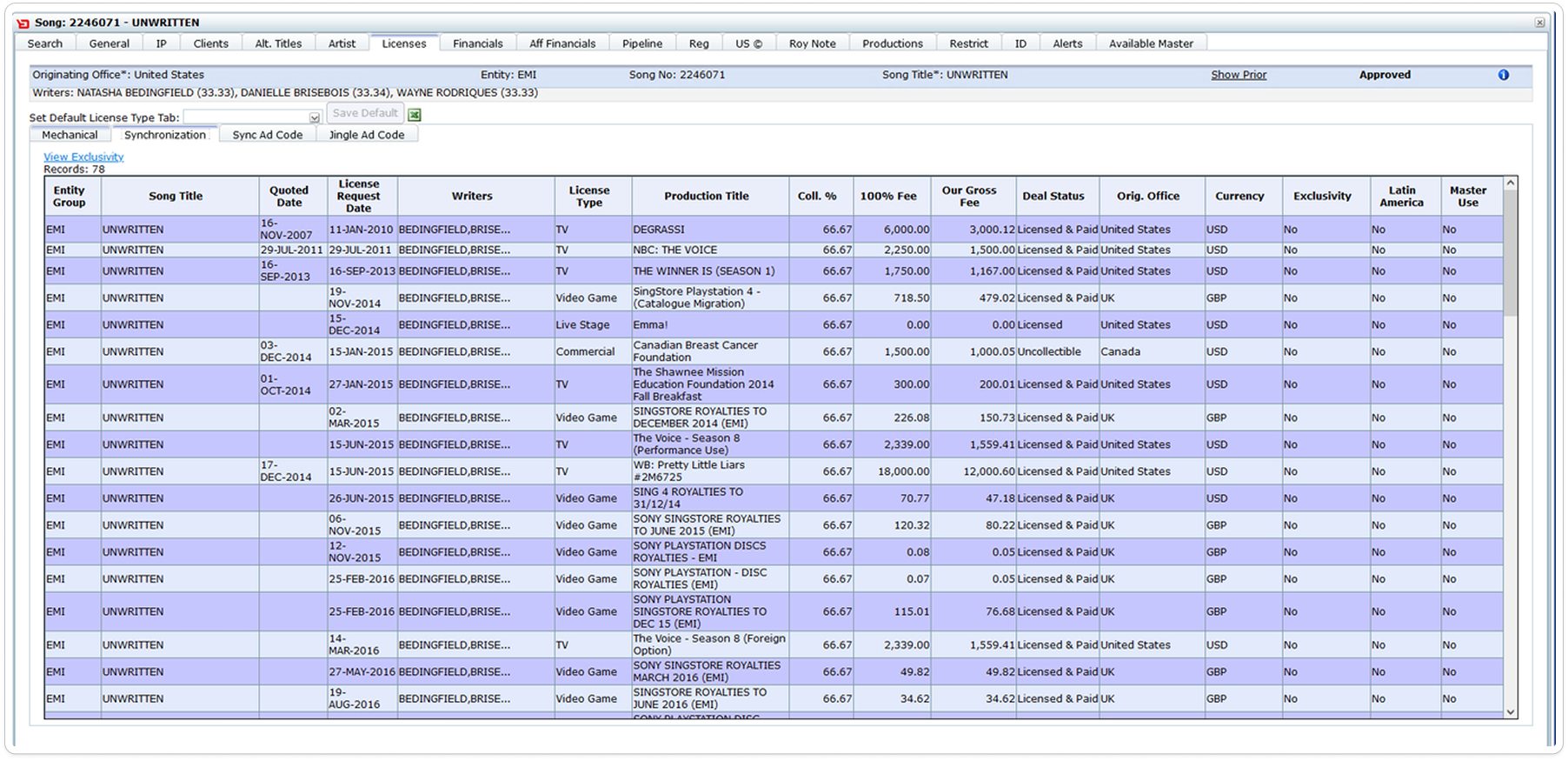
The project needed more than interface polish. It needed the domain reorganized into a clearer system. The legacy evidence shows why: dense records, split context, and status buried across operational screens.
- Long deal cycles and slow quote creation
- Manual data entry and duplicate coordination
- Approval bottlenecks
- Limited visibility into deal state
- Inconsistent handling across offices
- Context rebuilt at every handoff
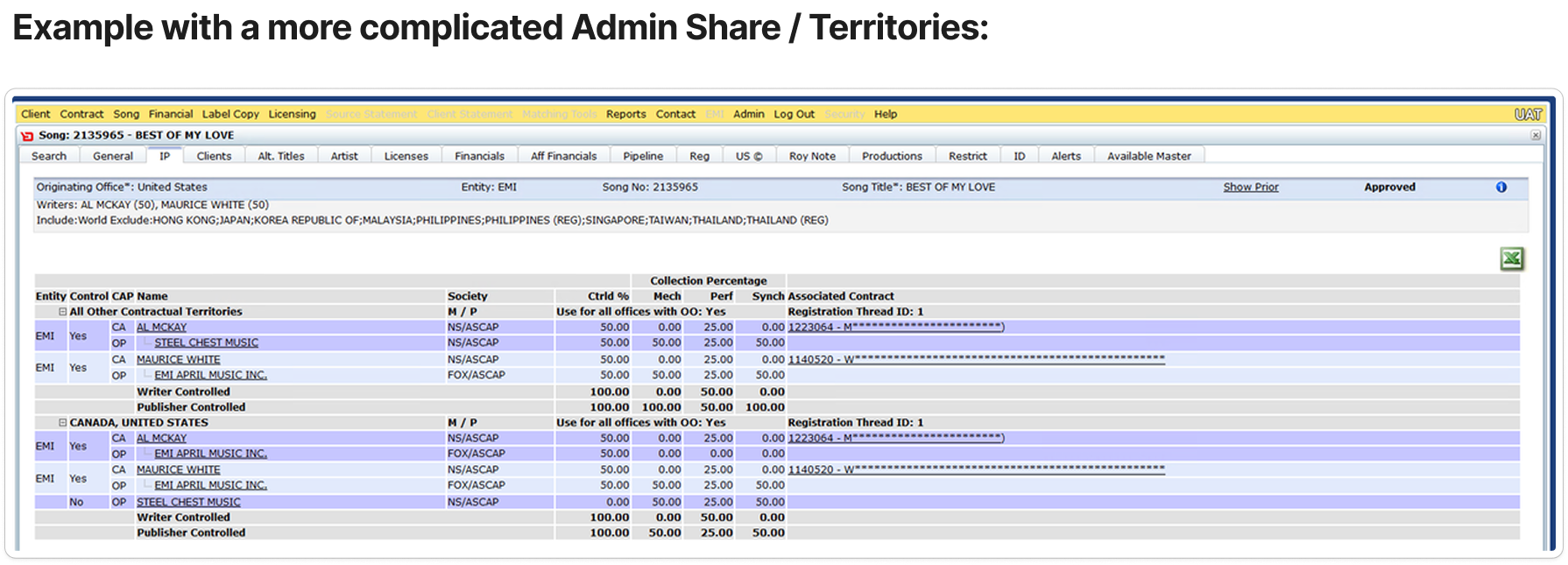
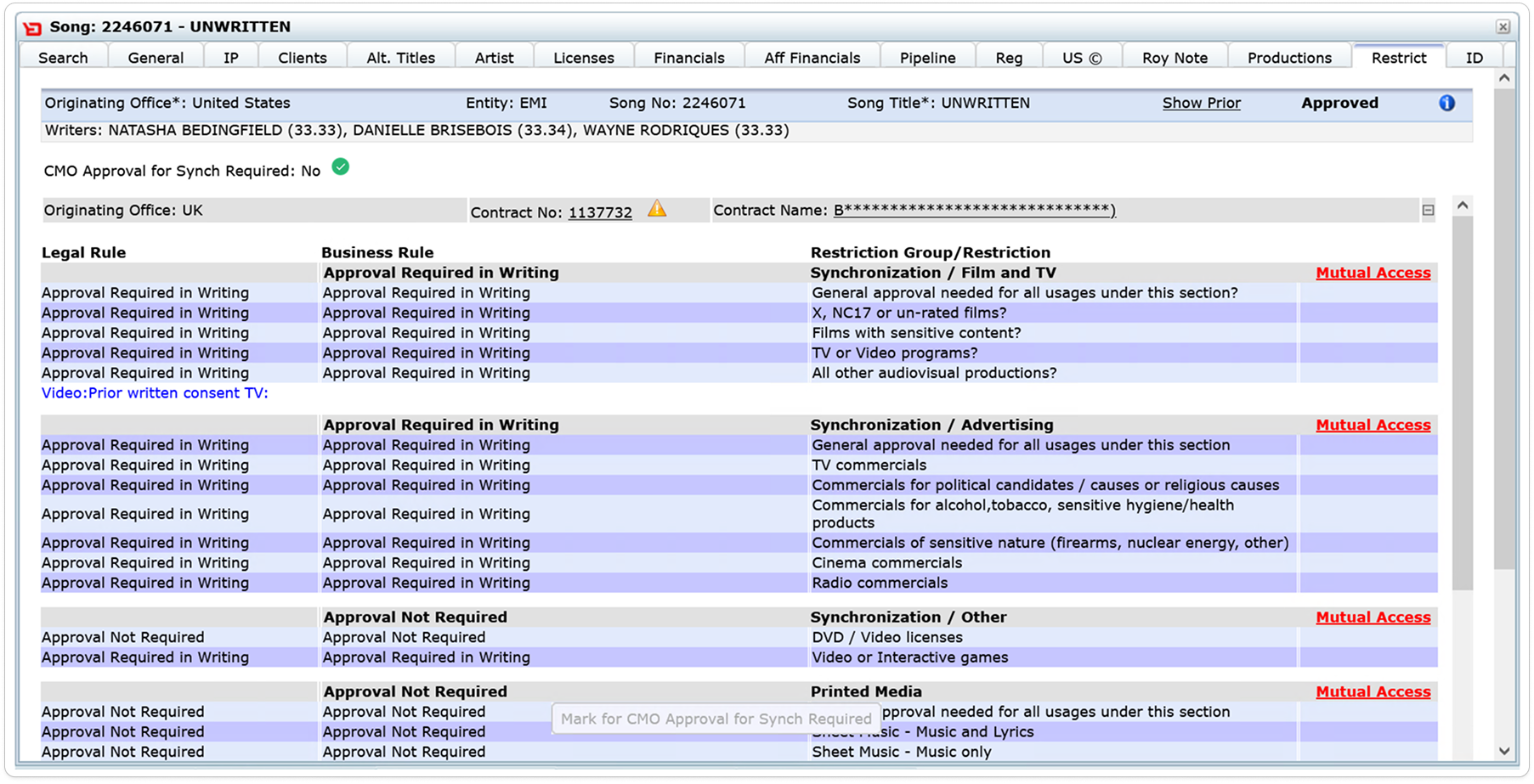
Legacy-screen auditThe remaining screens used to trace repeated fields, hidden states, and handoff gaps.7 artifacts

principle
In complex enterprise products, workflow clarity starts with object clarity.Before designing screens, understand the objects people are really managing — and how they change state.
Object relationships
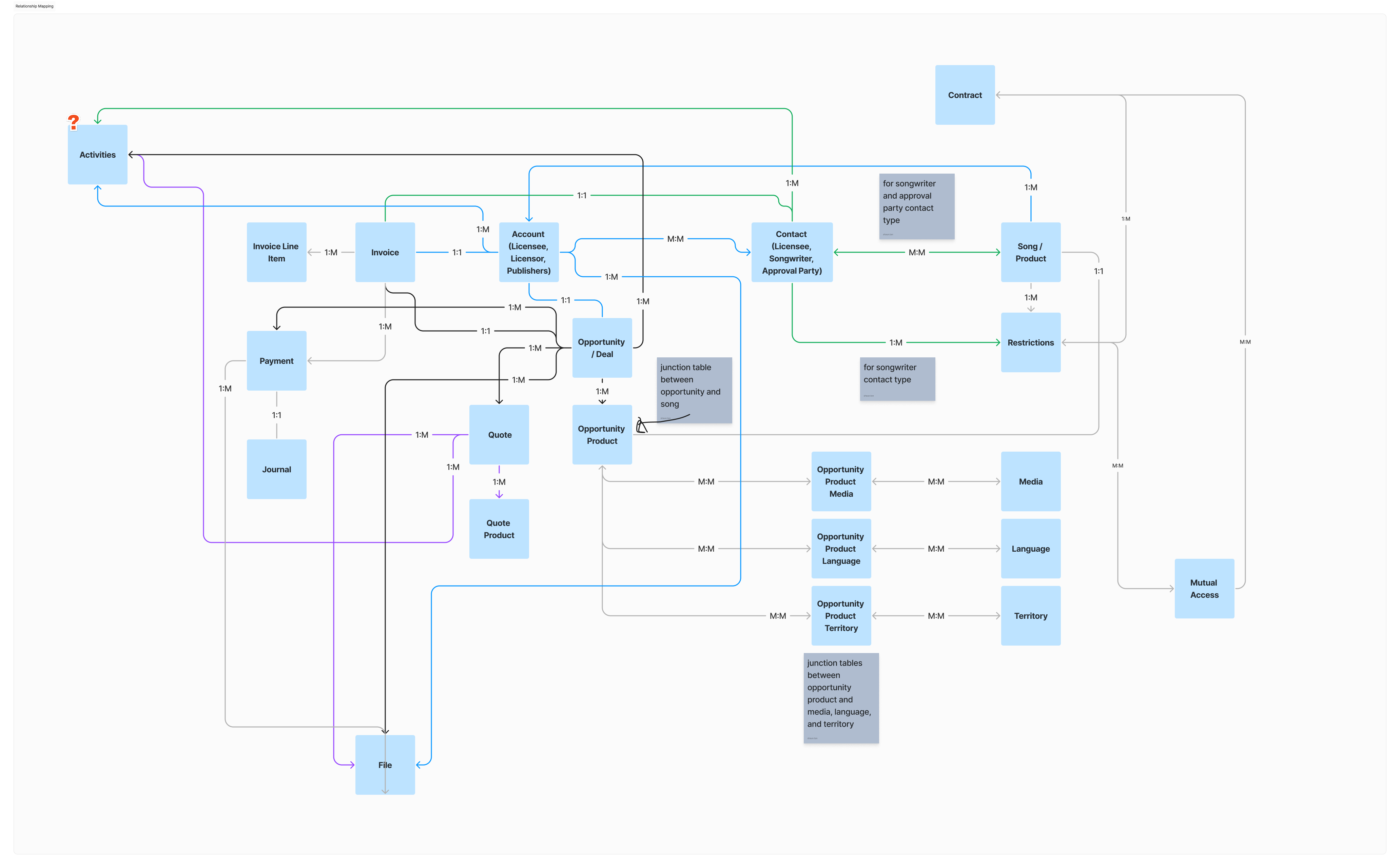
The licensing request became the operational spine.
Object modeling made the relationships between clients, songs, rights, quotes, approvals, and deal progression explicit.
read it, and you read the deal.
Before screens, objects
The breakthrough wasn’t a new dashboard. It was a cleaner model of the work.
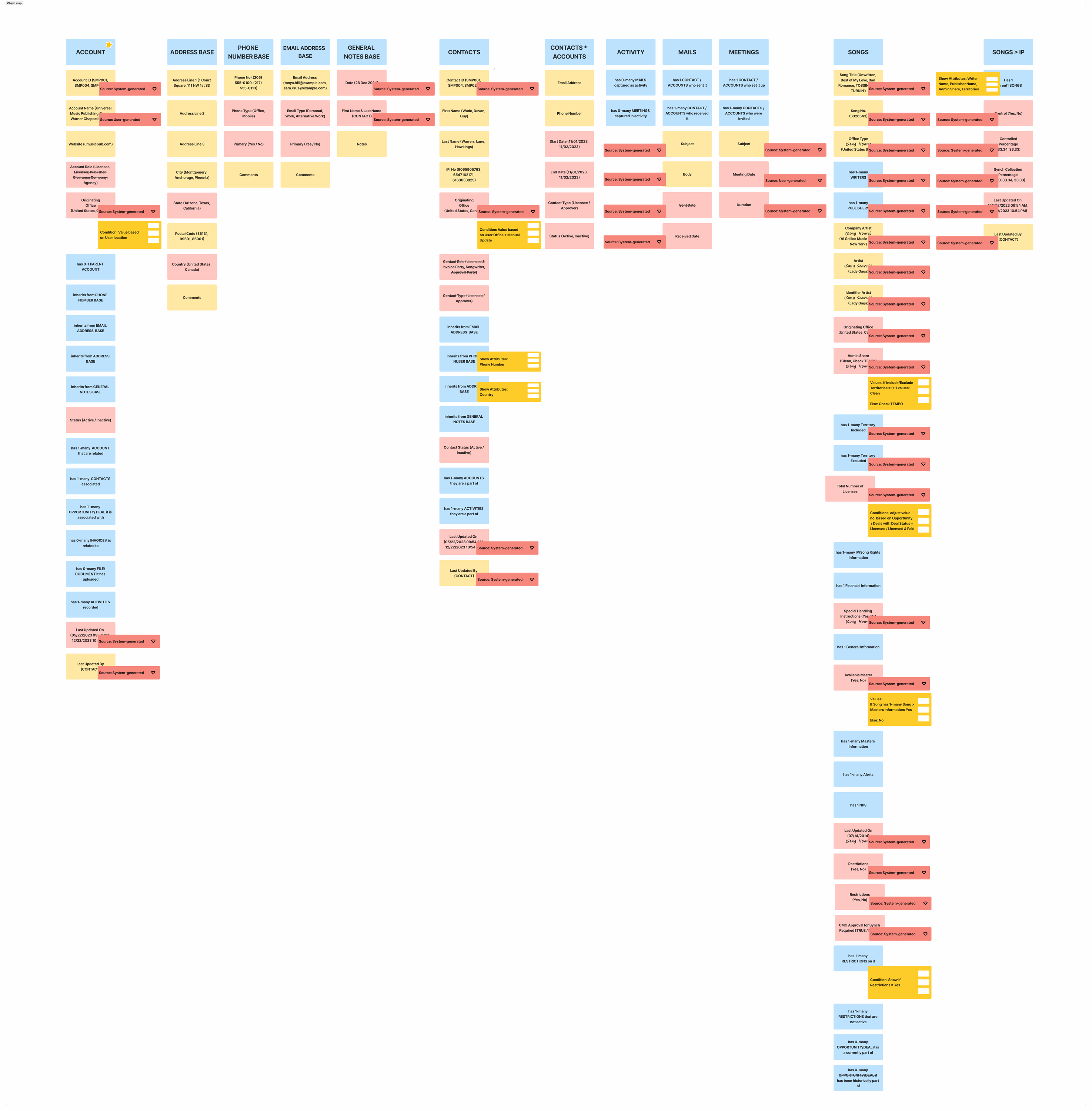
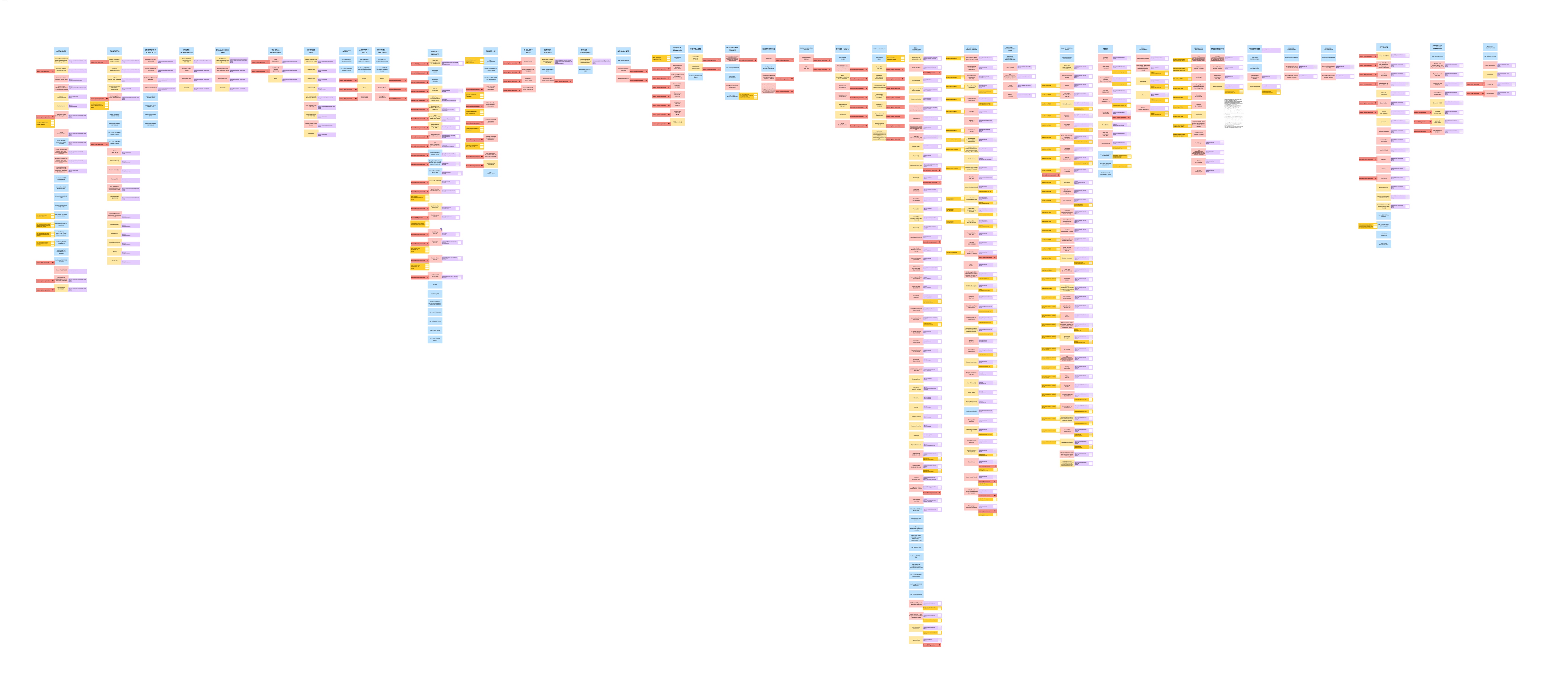
The model created a traceable path from legacy evidence to the interface: objects, relationships, permissions, wireframes, workflows, then measurement.
- 01Legacy workflow audit
- 02Object inventory
- 03Relationship map
- 04Role × action matrix
- 05Wireframe iterations
- 06End-to-end workflow
- 07Outcome measures
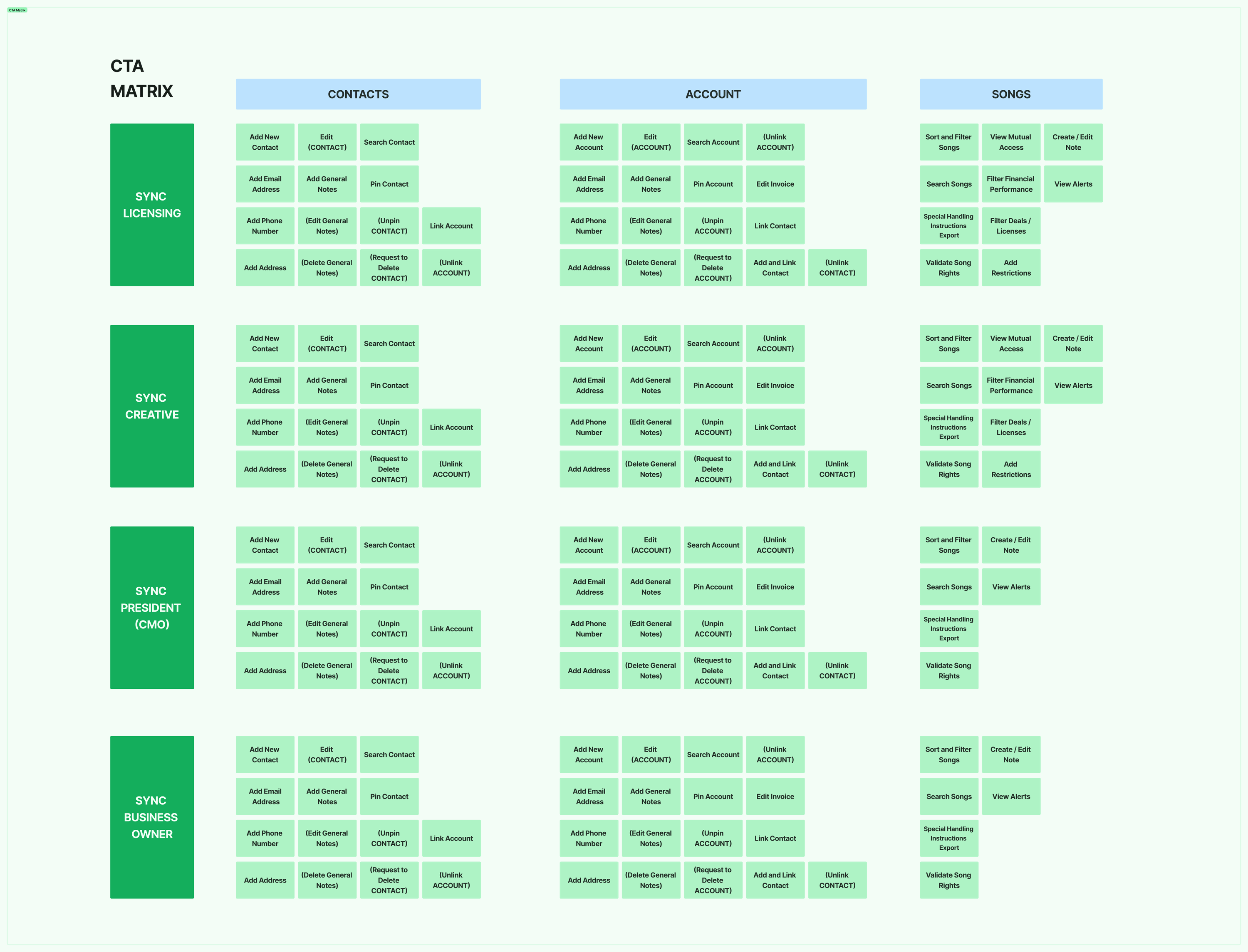
Wireframes + iteration
The model was tested as navigation, hierarchy, and state.
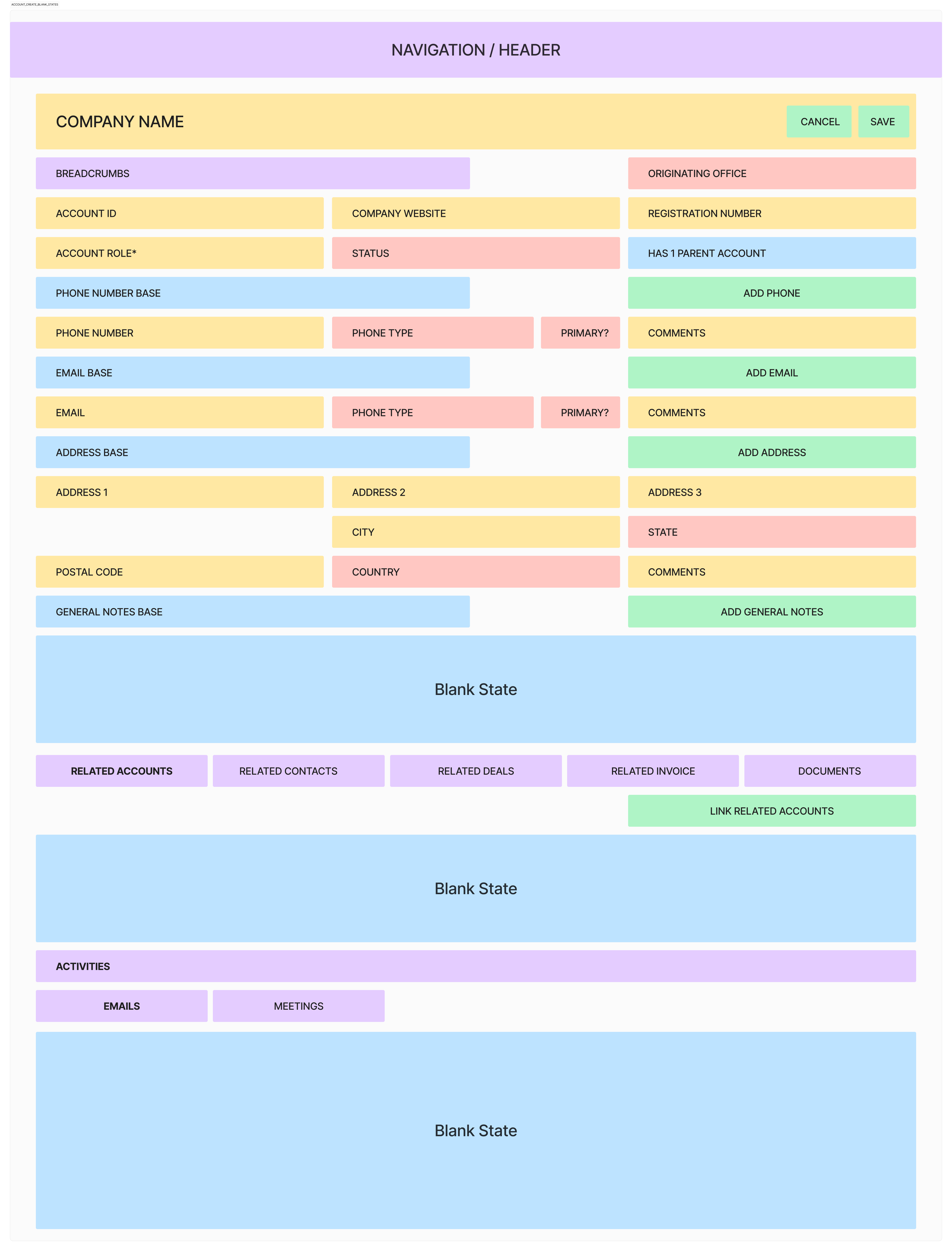
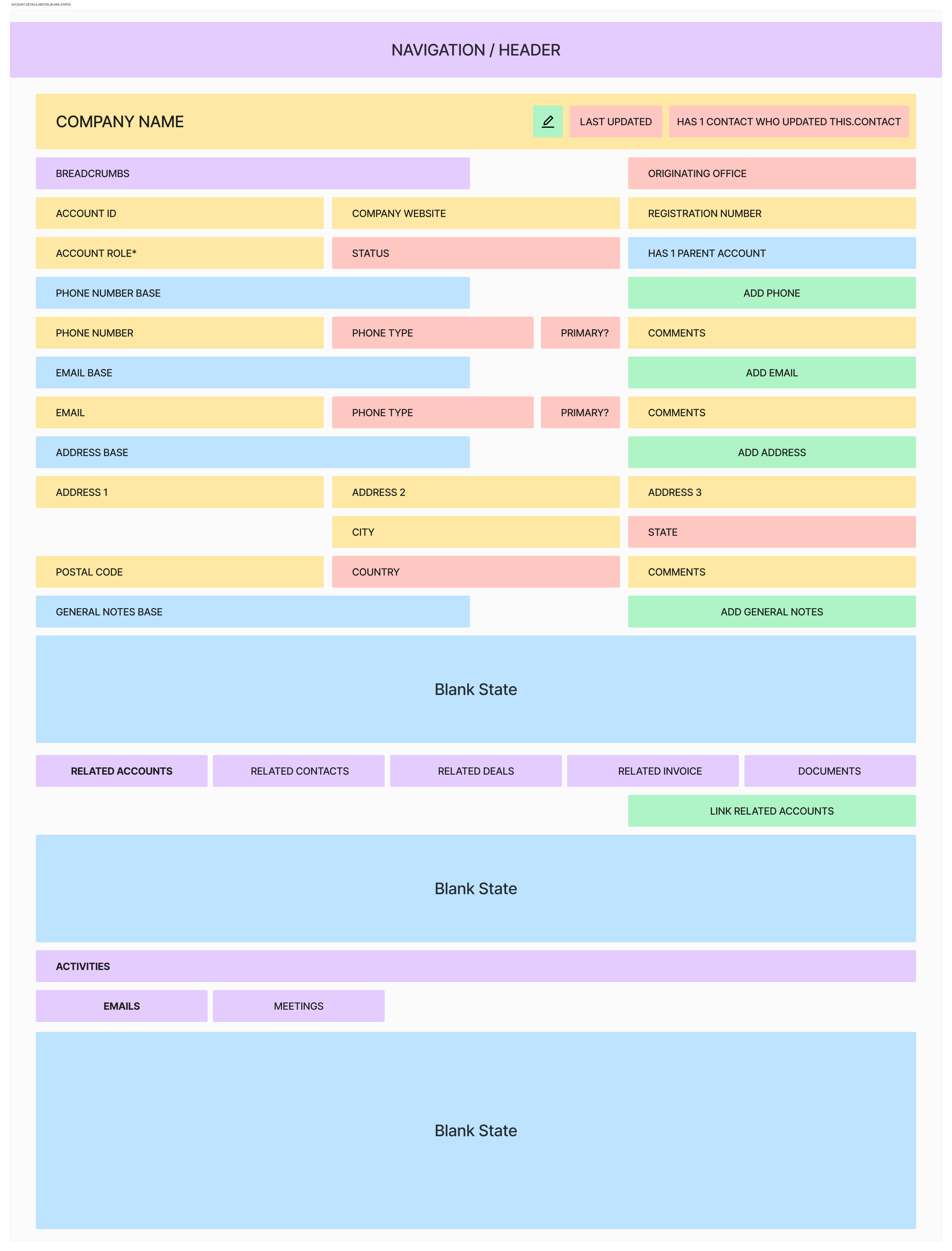
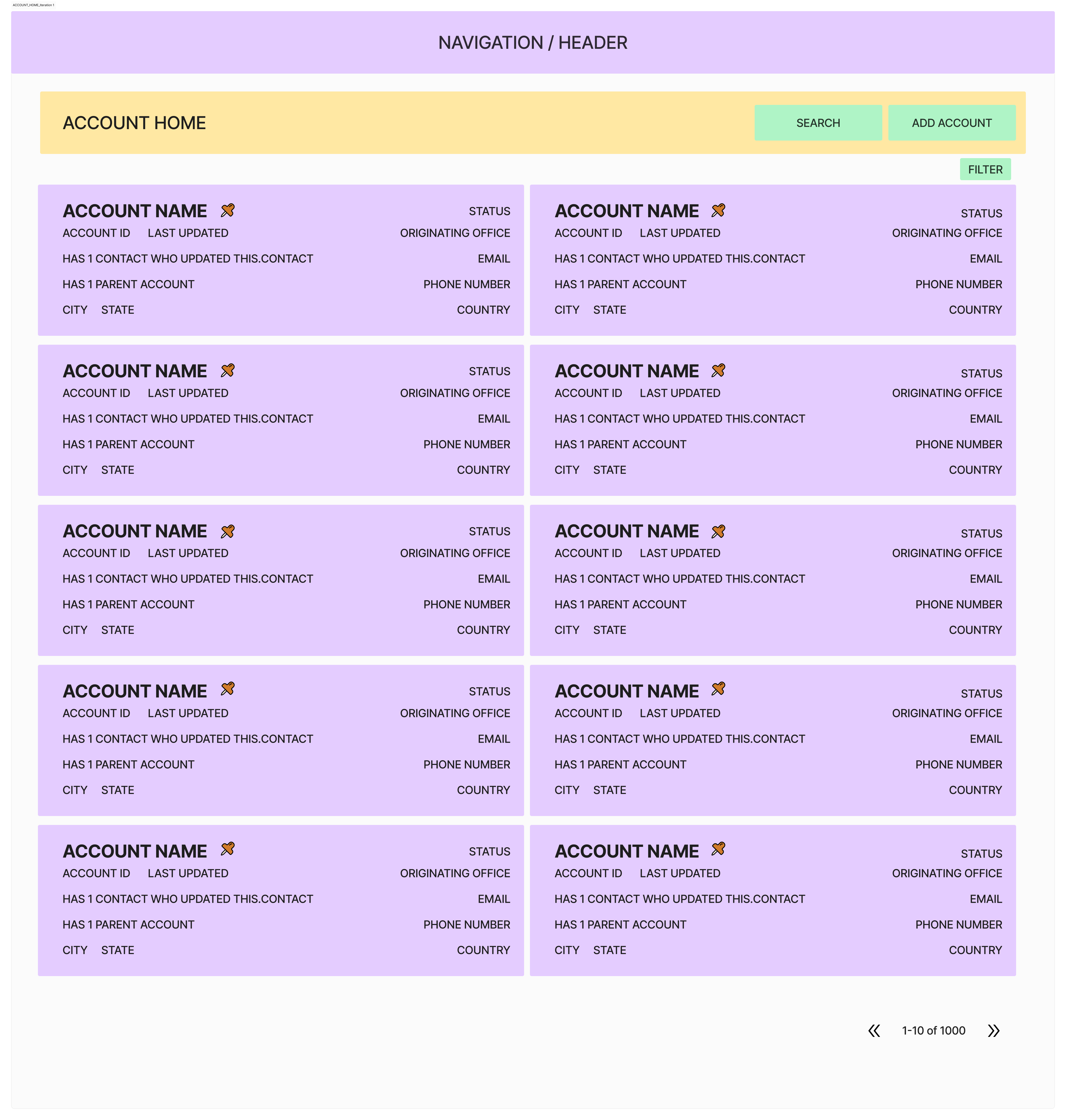
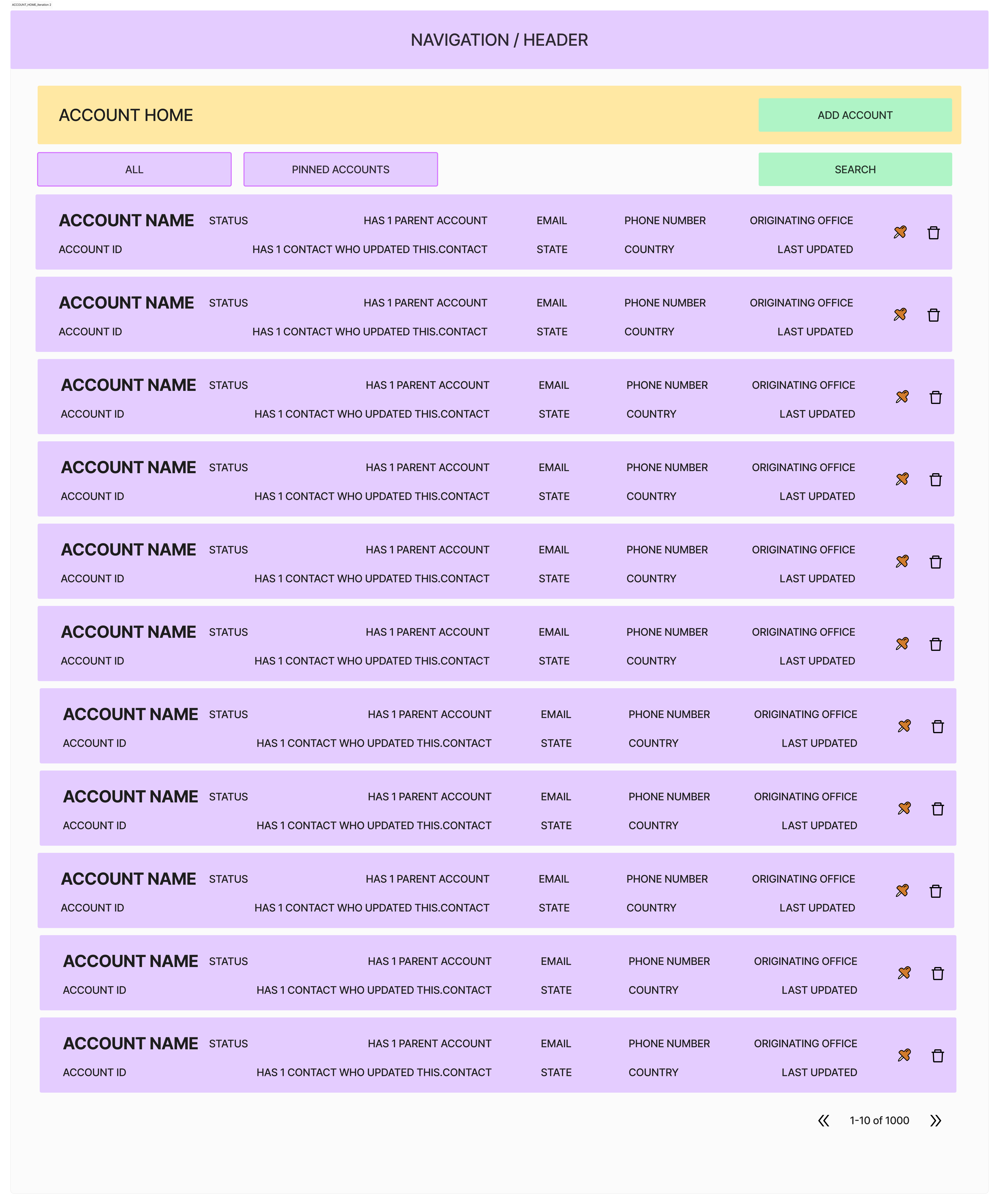
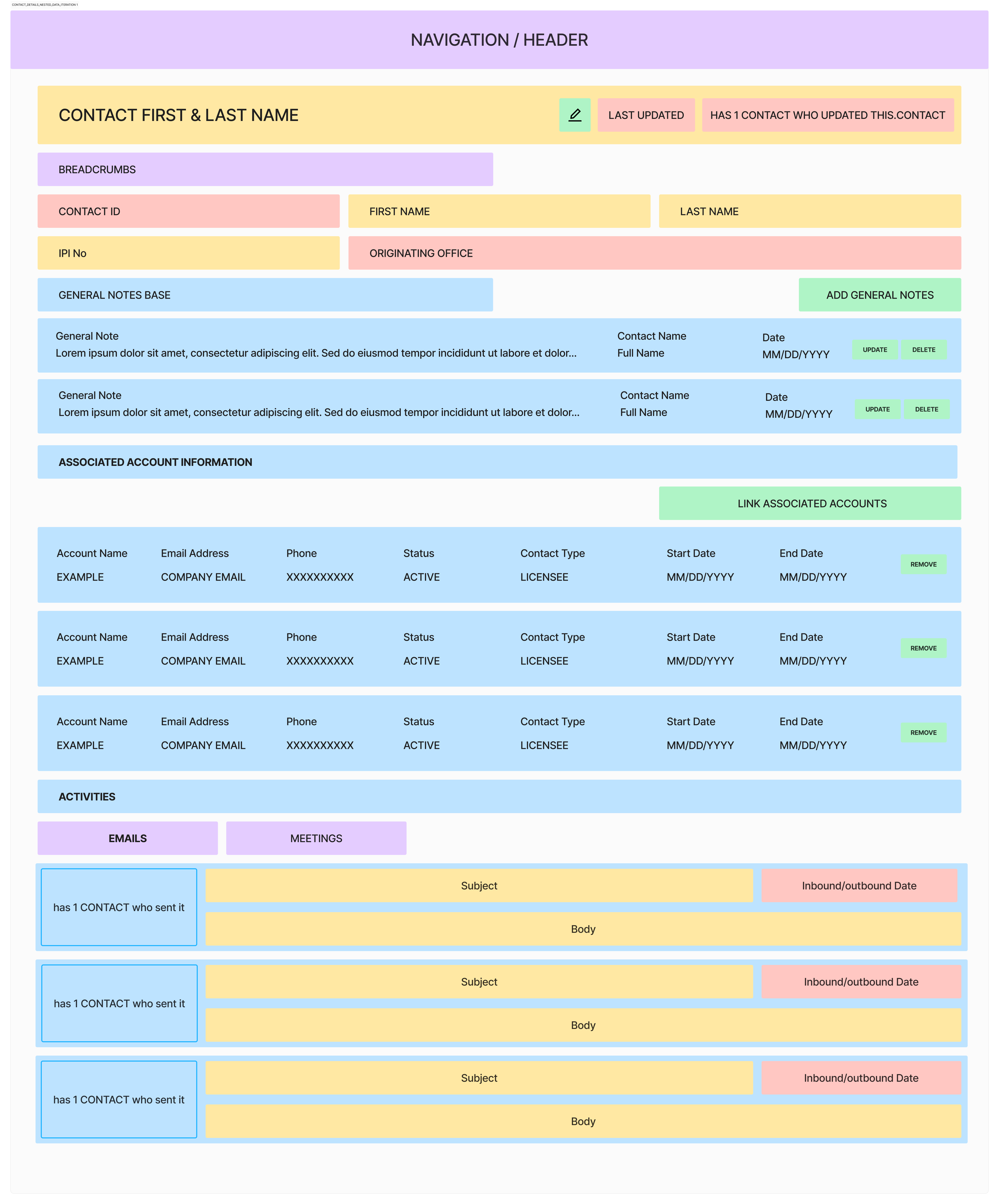
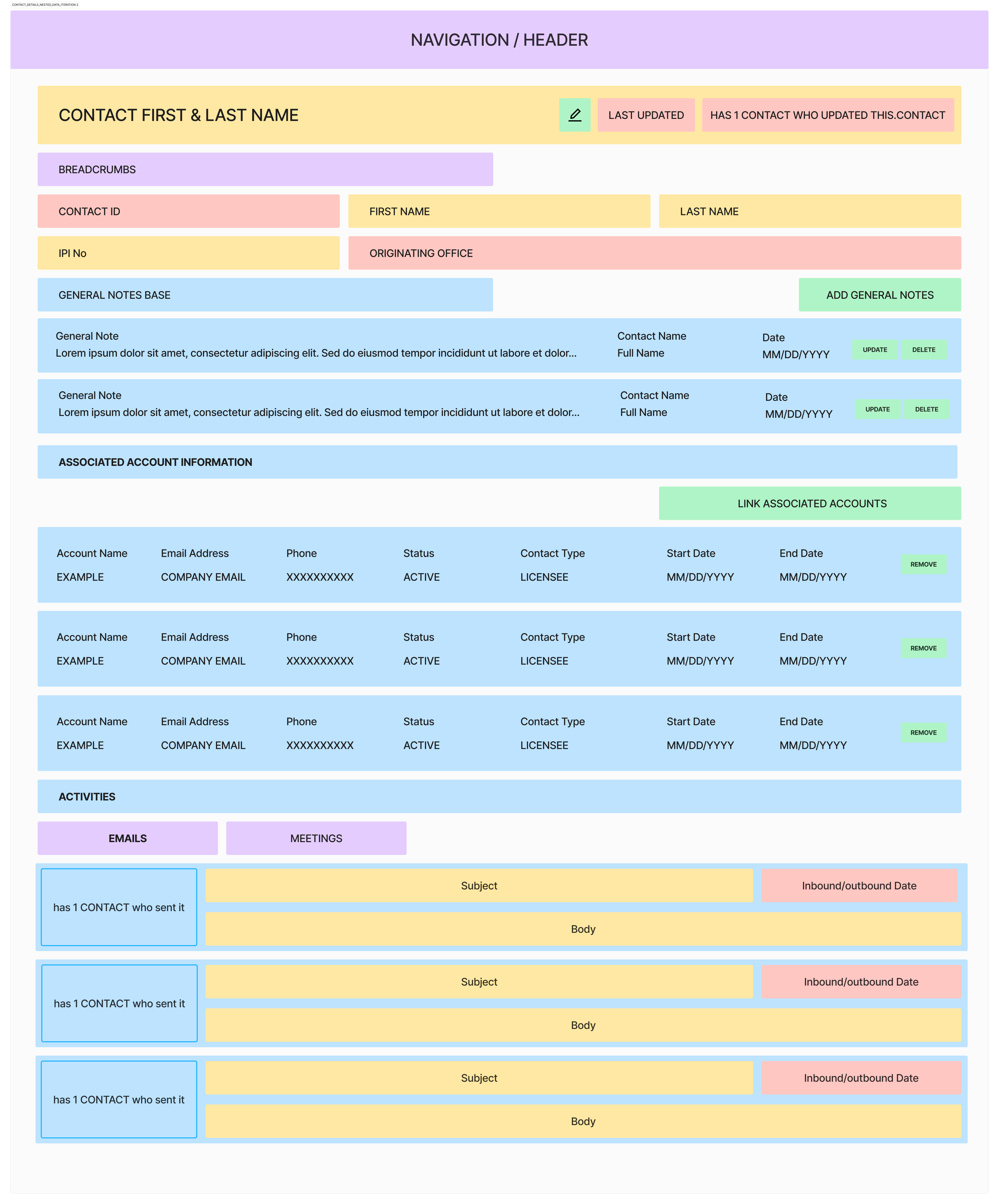
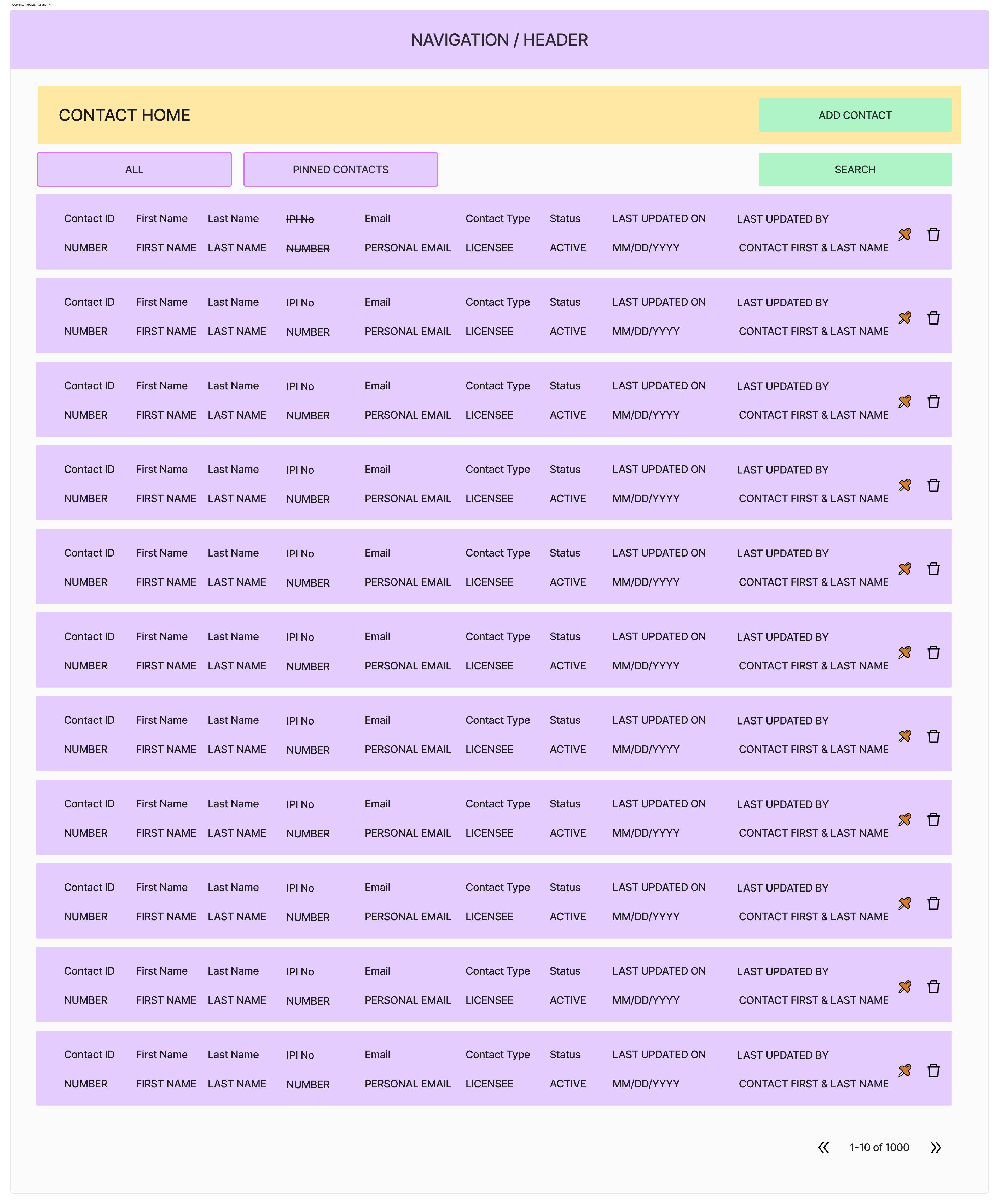
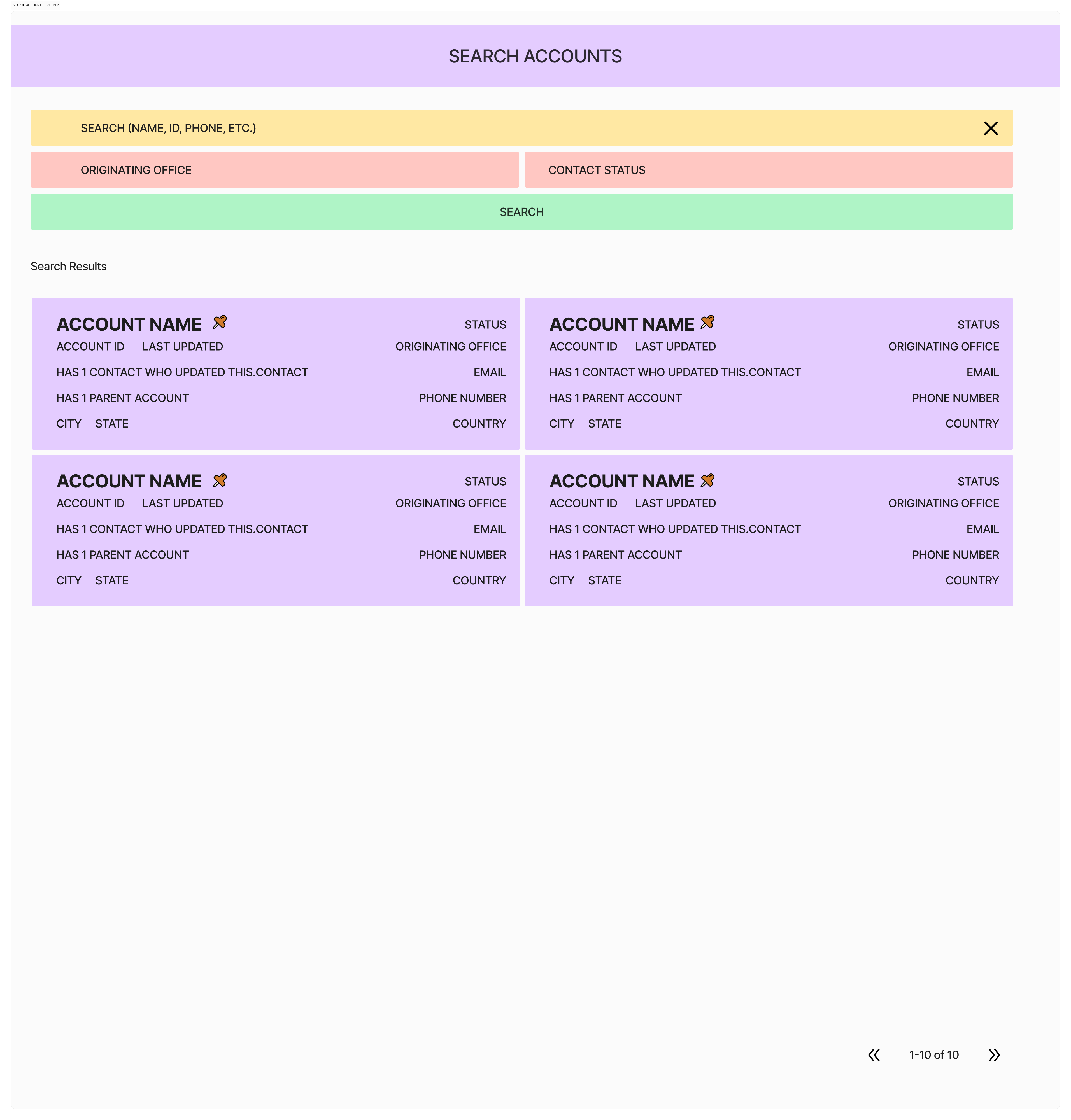
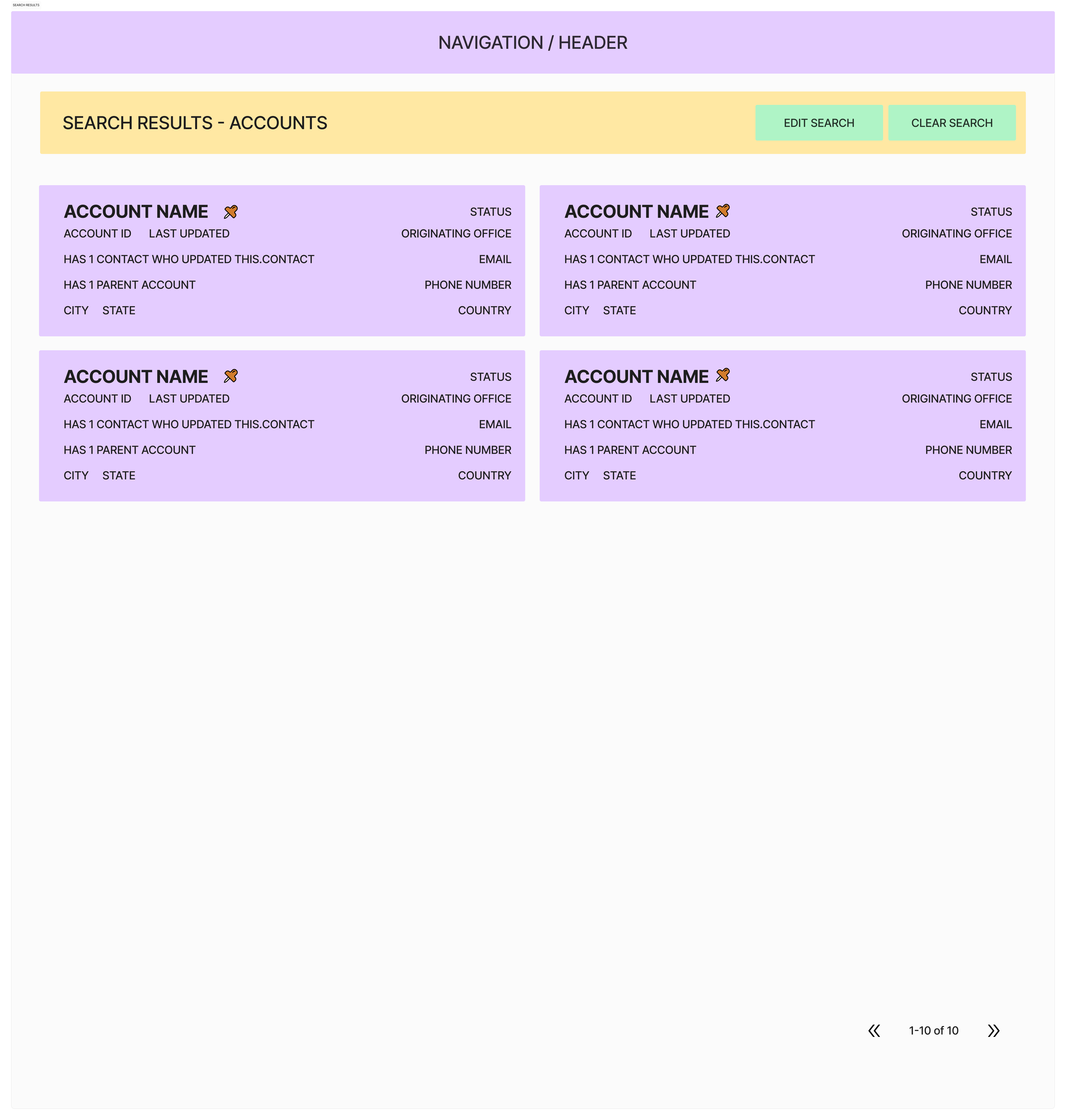
The wireframes are not decoration between maps and UI. They show where nested objects, blank states, search behavior, and record structure were worked through before visual refinement.
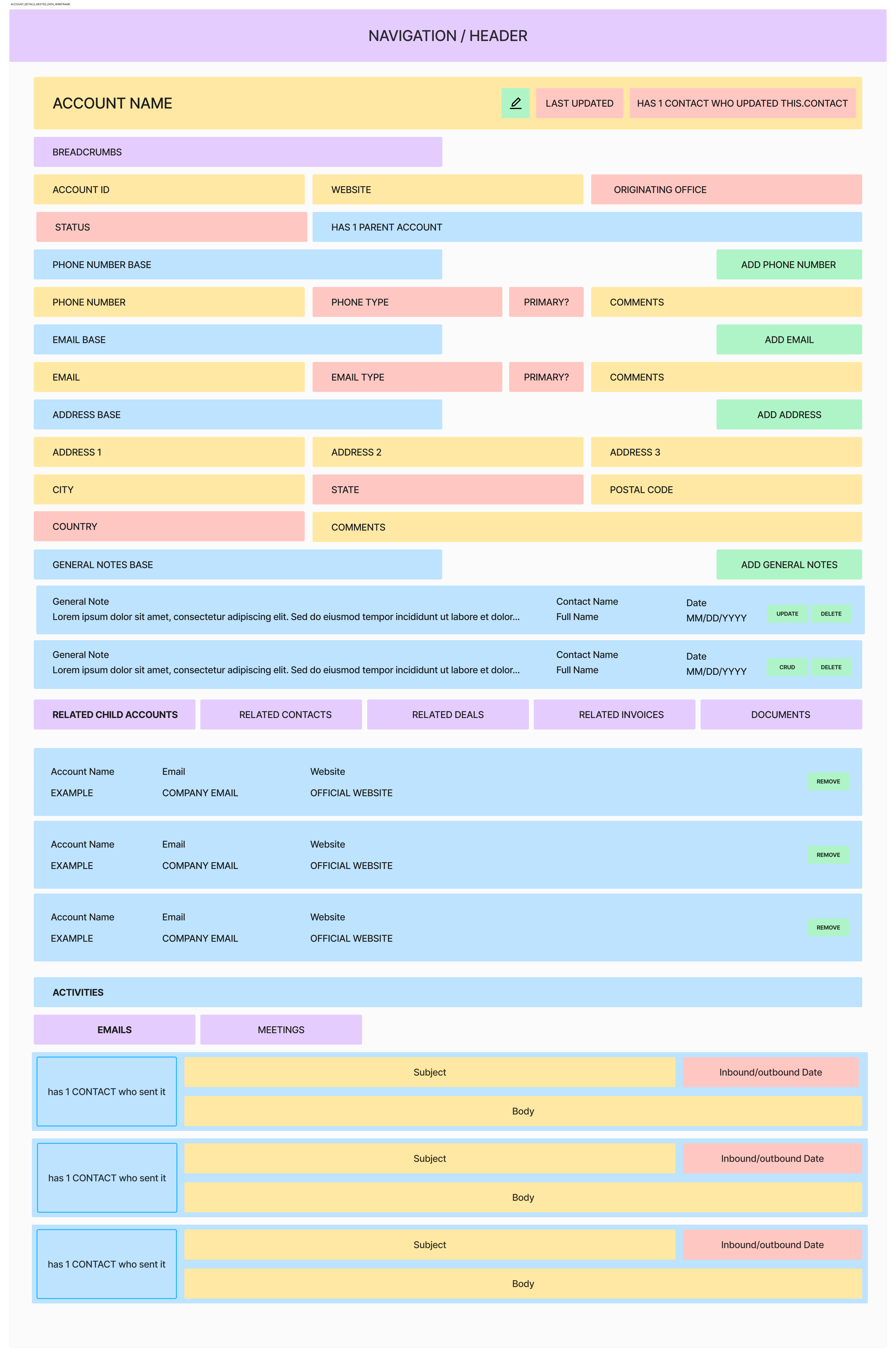
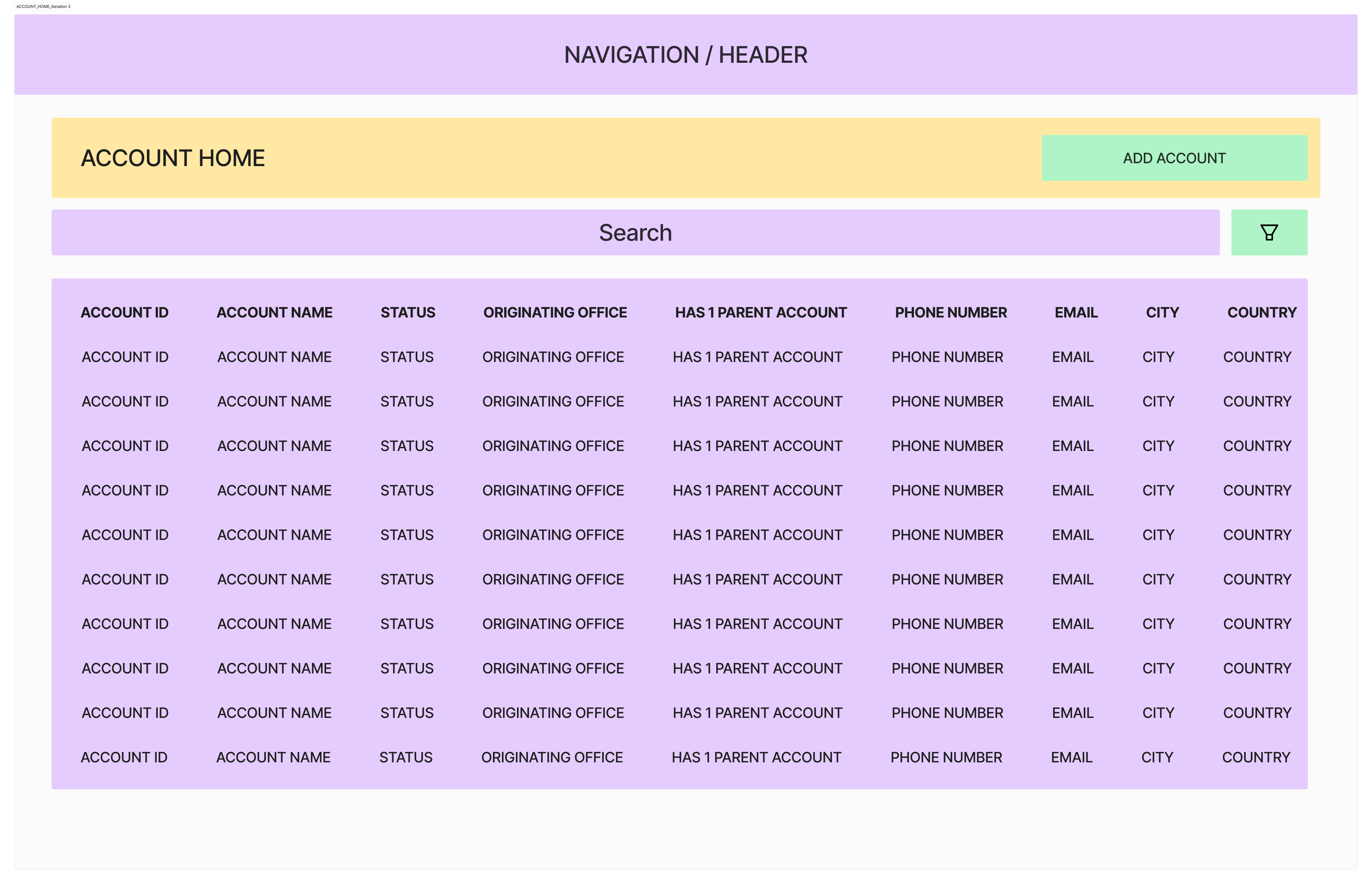

Wireframe evolutionAlternate structures, blank states, nested-data treatments, and search explorations.17 artifacts


.png)
_ Iteration 2.png)
Key decisions
The screen is where confusion becomes visible — not where it begins.
So the design work happened in the model first, then the workflow, then the interface.
Start with object discovery, not screen inventory
A screen-by-screen redesign would have preserved the fragmentation. We first mapped the business objects and their relationships.
Make the licensing request the spine
The request connected clients, songs, rights, quote terms, approvals, and deal progression.
Reduce manual effort through reuse and state
Much of the manual work came from re-entering information, chasing status, and recreating context per handoff.
Turn approvals into visible workflow
Approvals were a major bottleneck. Users needed to know what was pending, who owned it, why it was blocked, and what could move next.
Global consistency without erasing local variation
The system had to serve offices worldwide without assuming every market worked identically.
Interface system
The object model became a working product system.
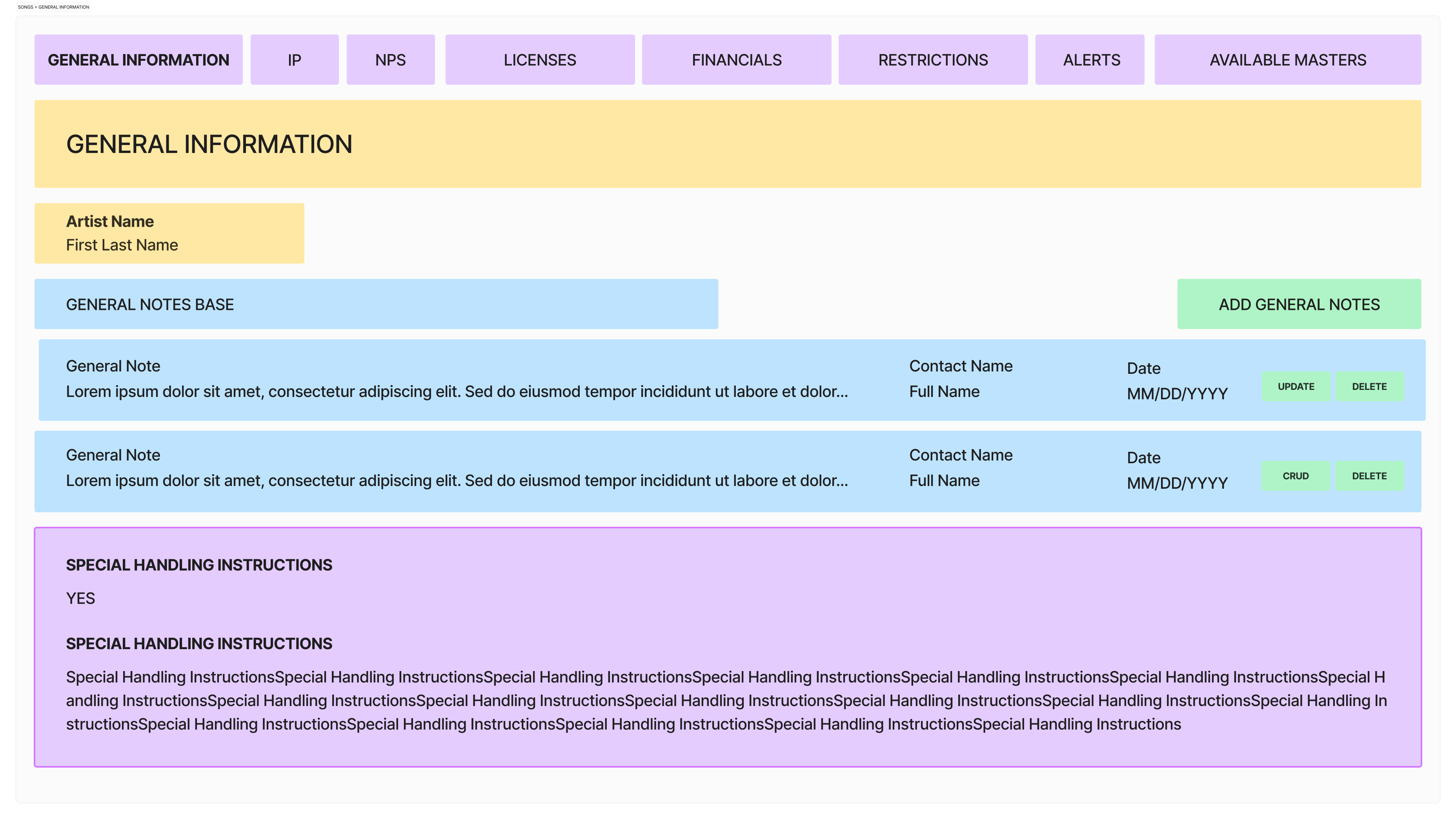
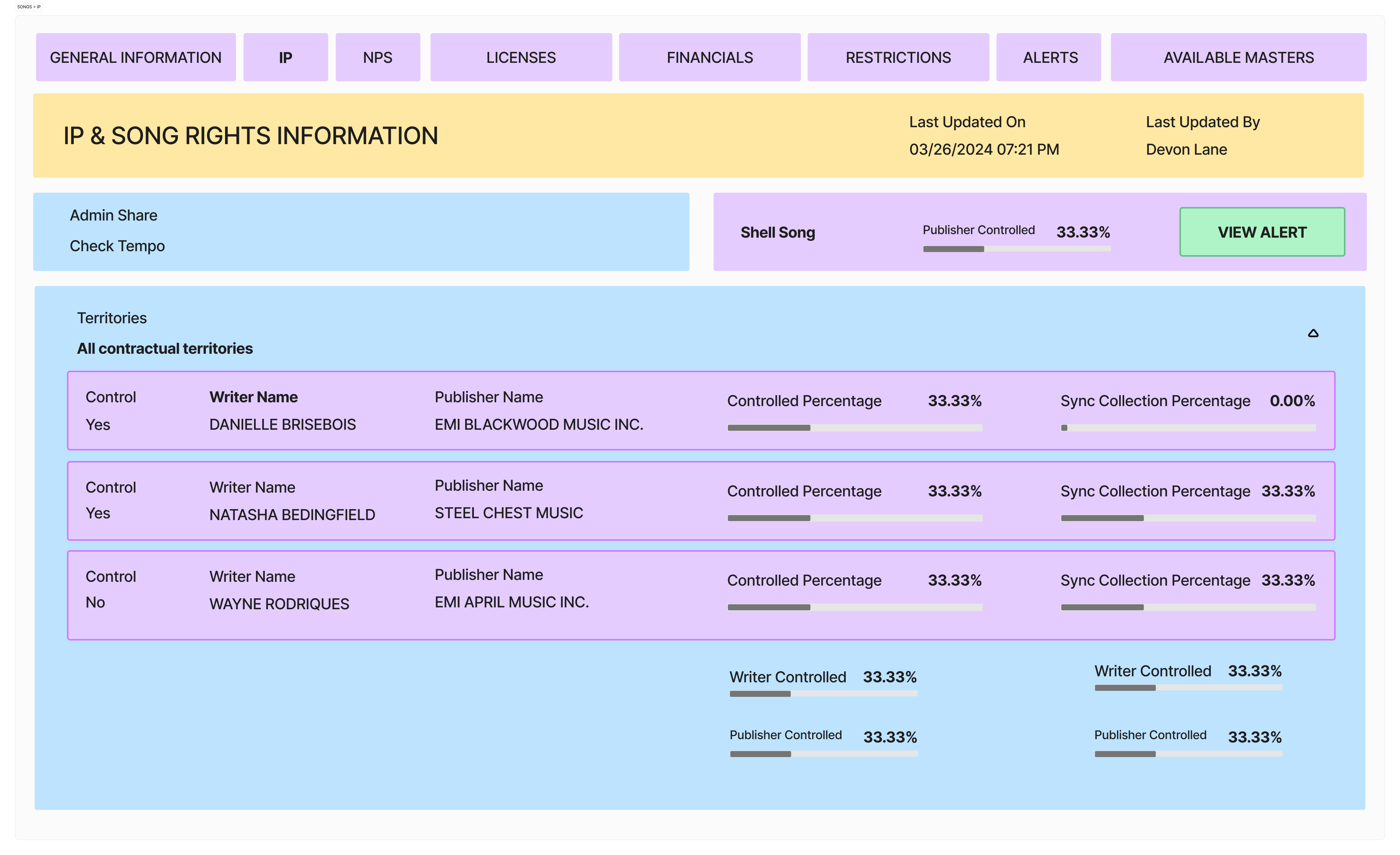
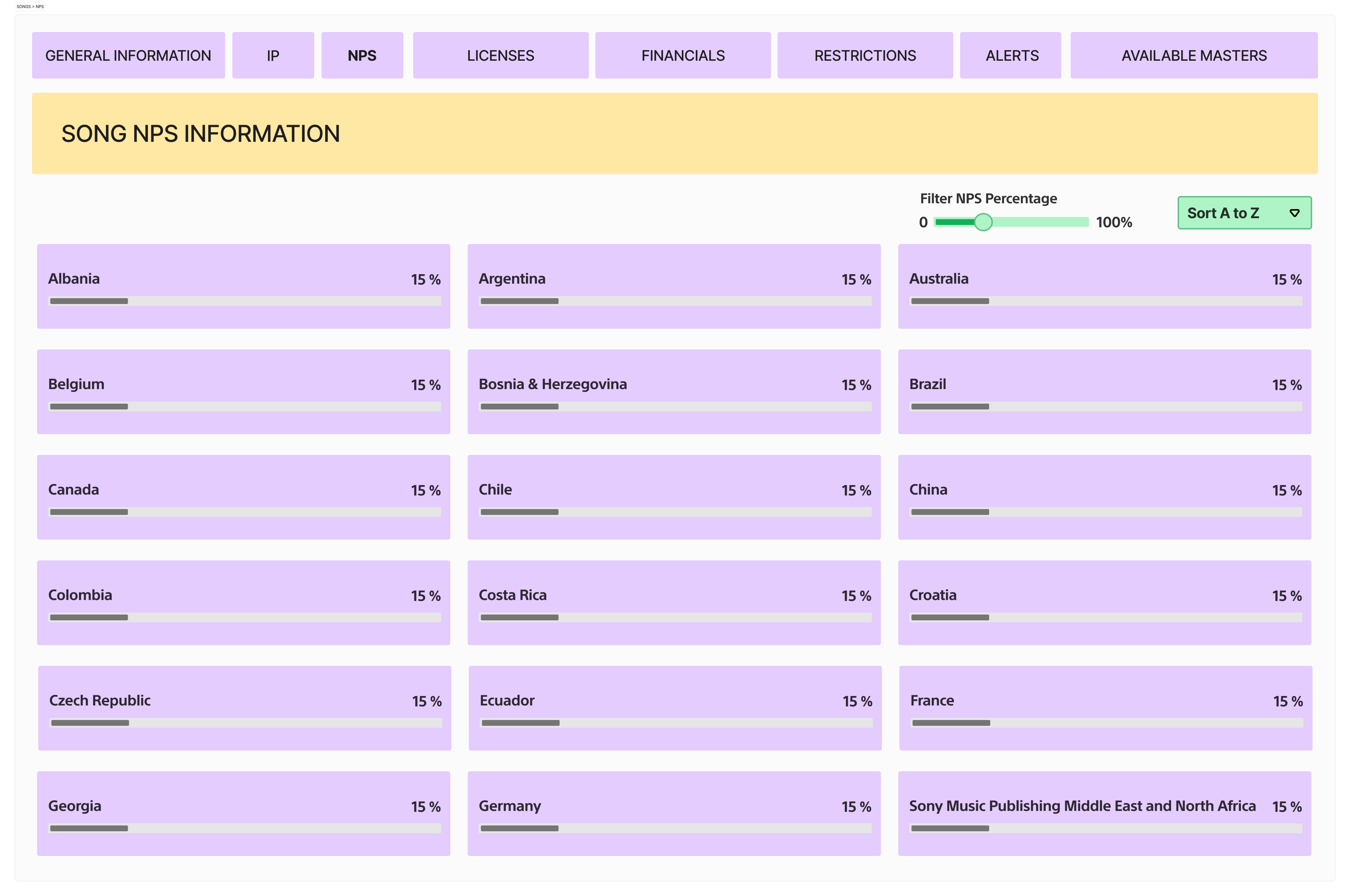
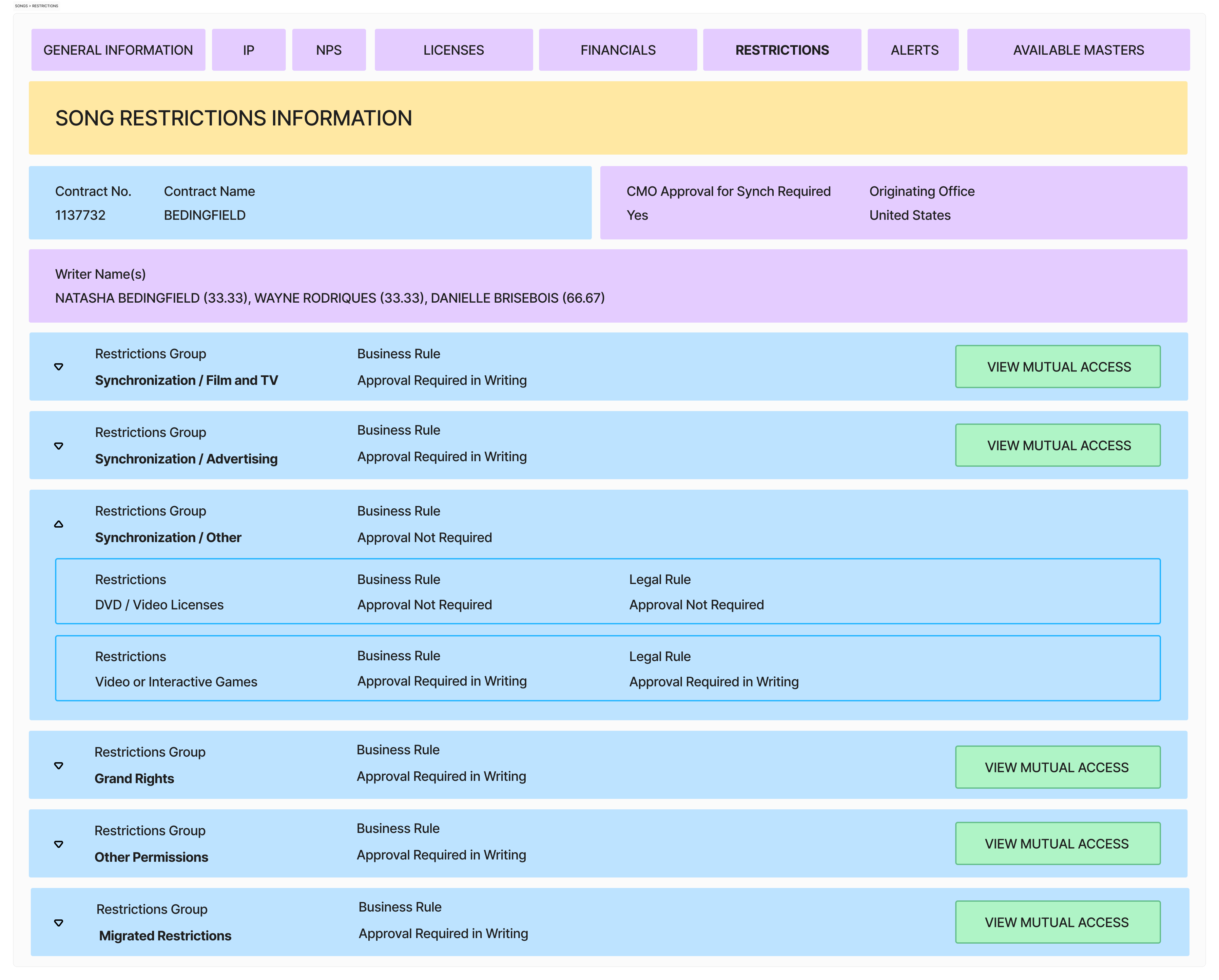
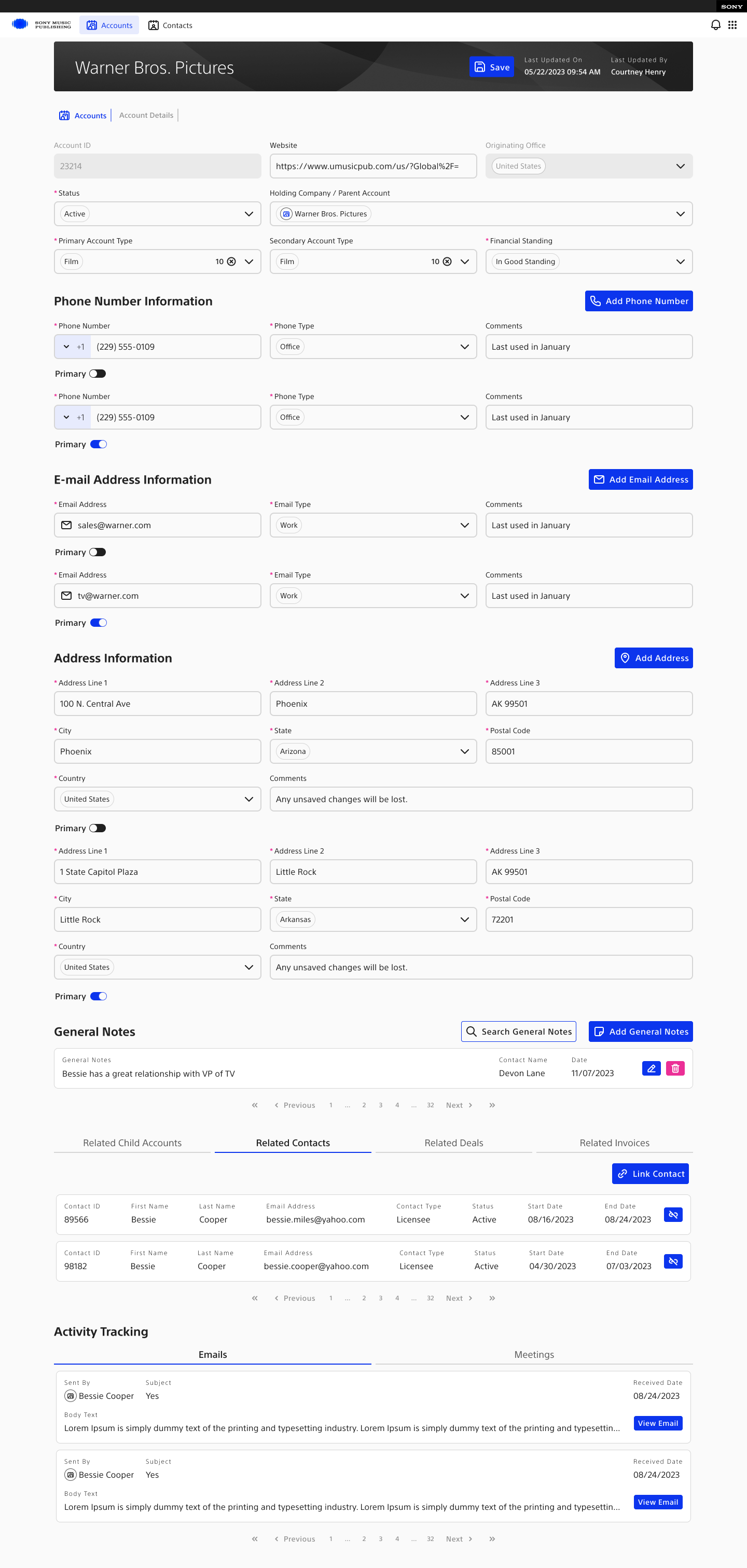
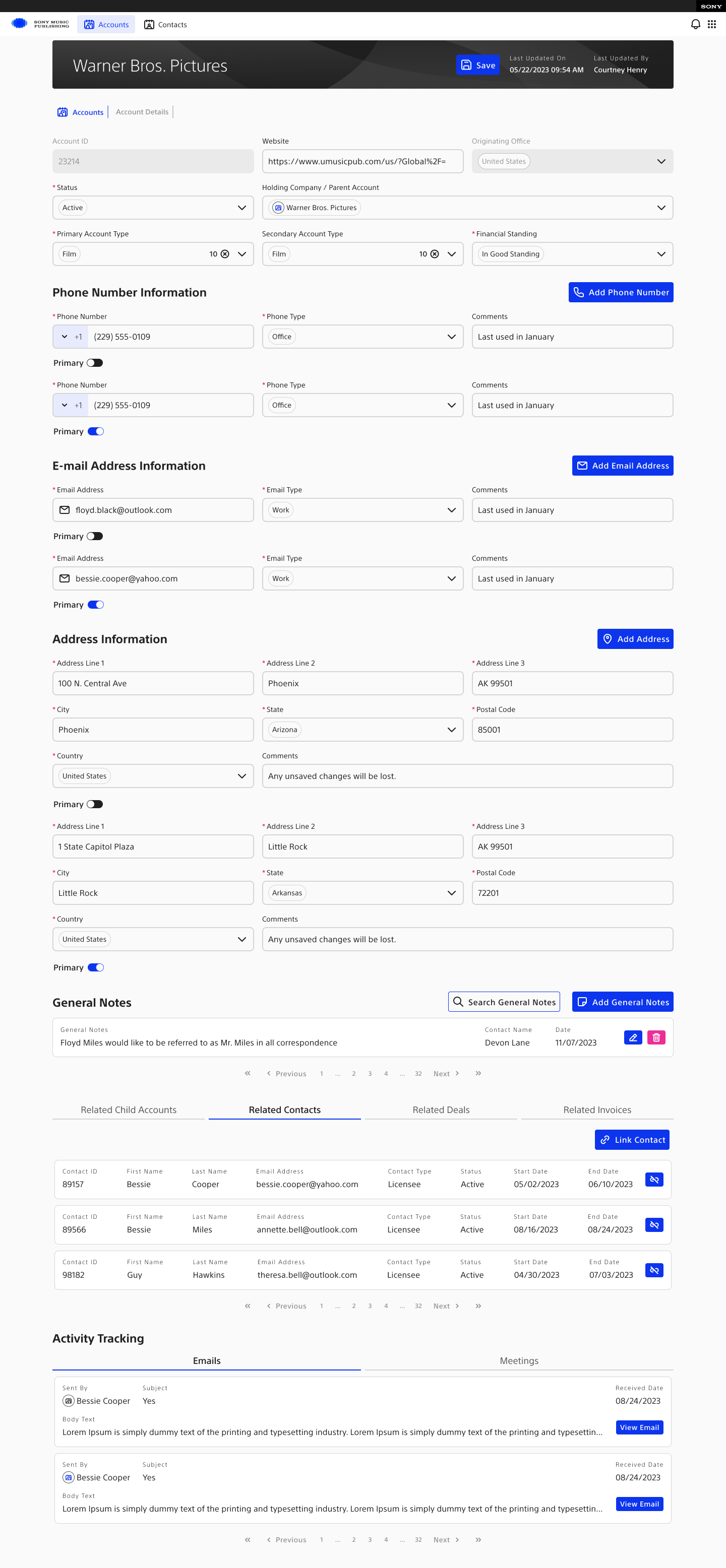
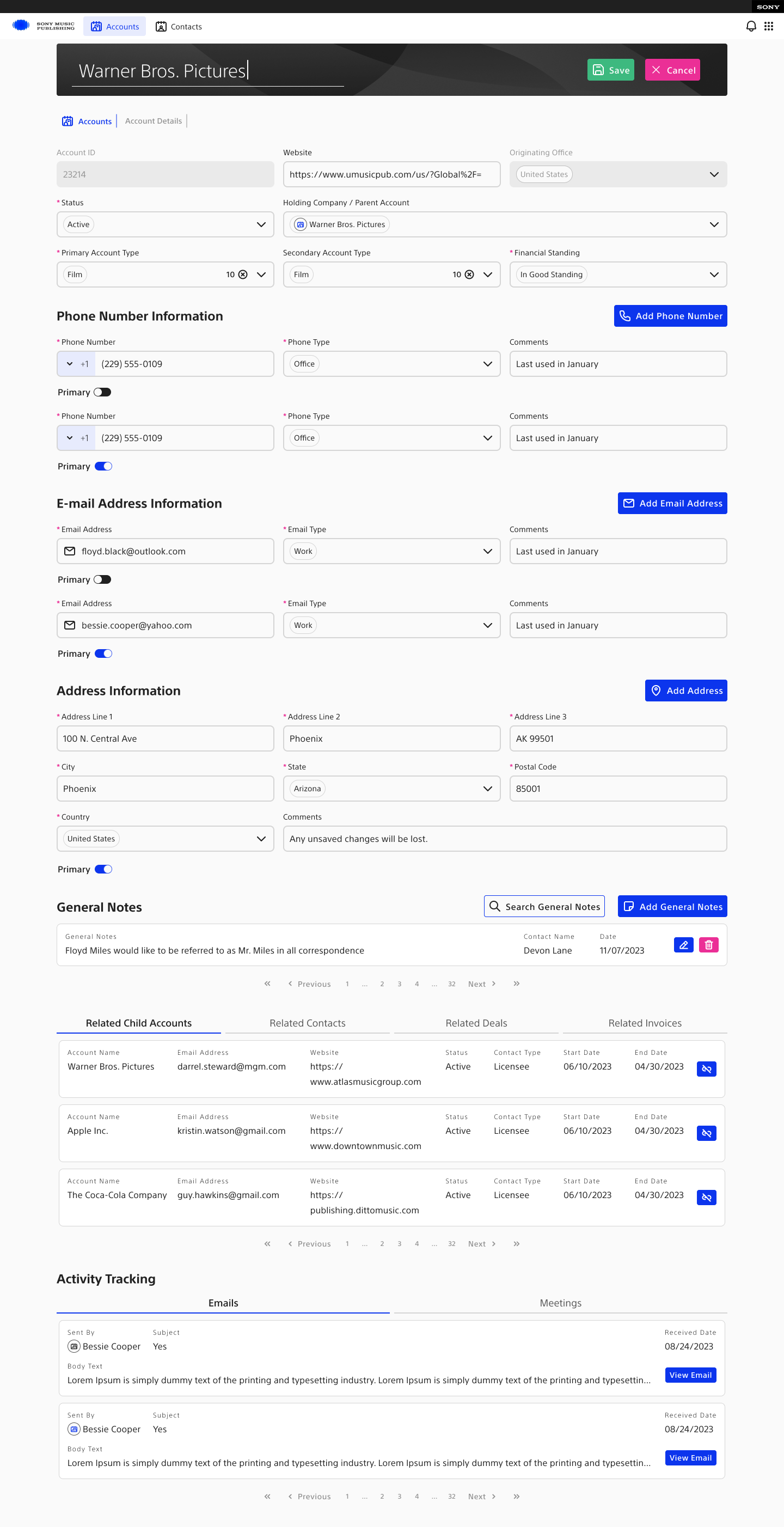
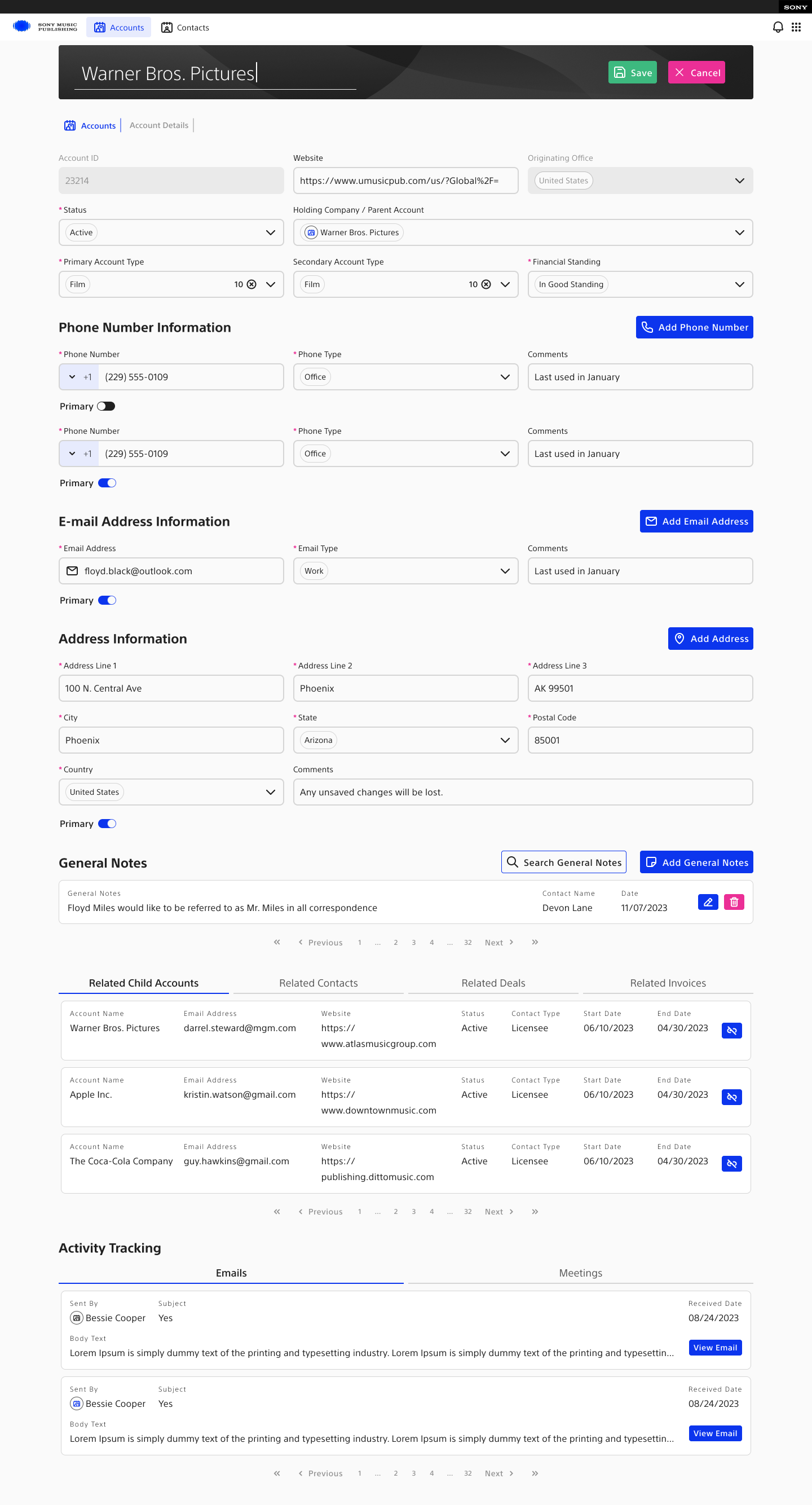
Final UI evidence is organized by the work it supports: finding and maintaining accounts, managing the deal pipeline, creating a licensing deal, inspecting song rights, and handling consequential interaction states.
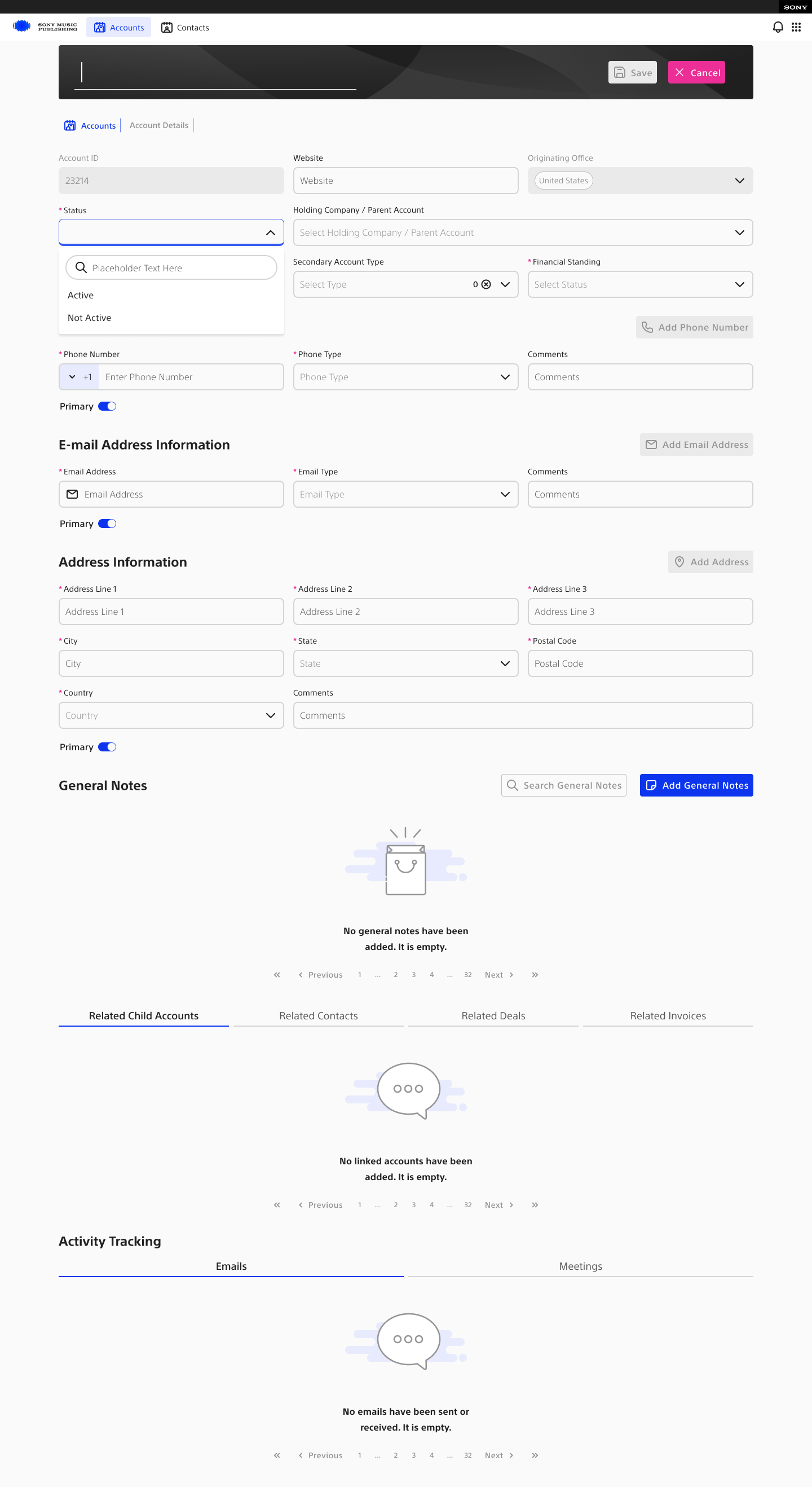
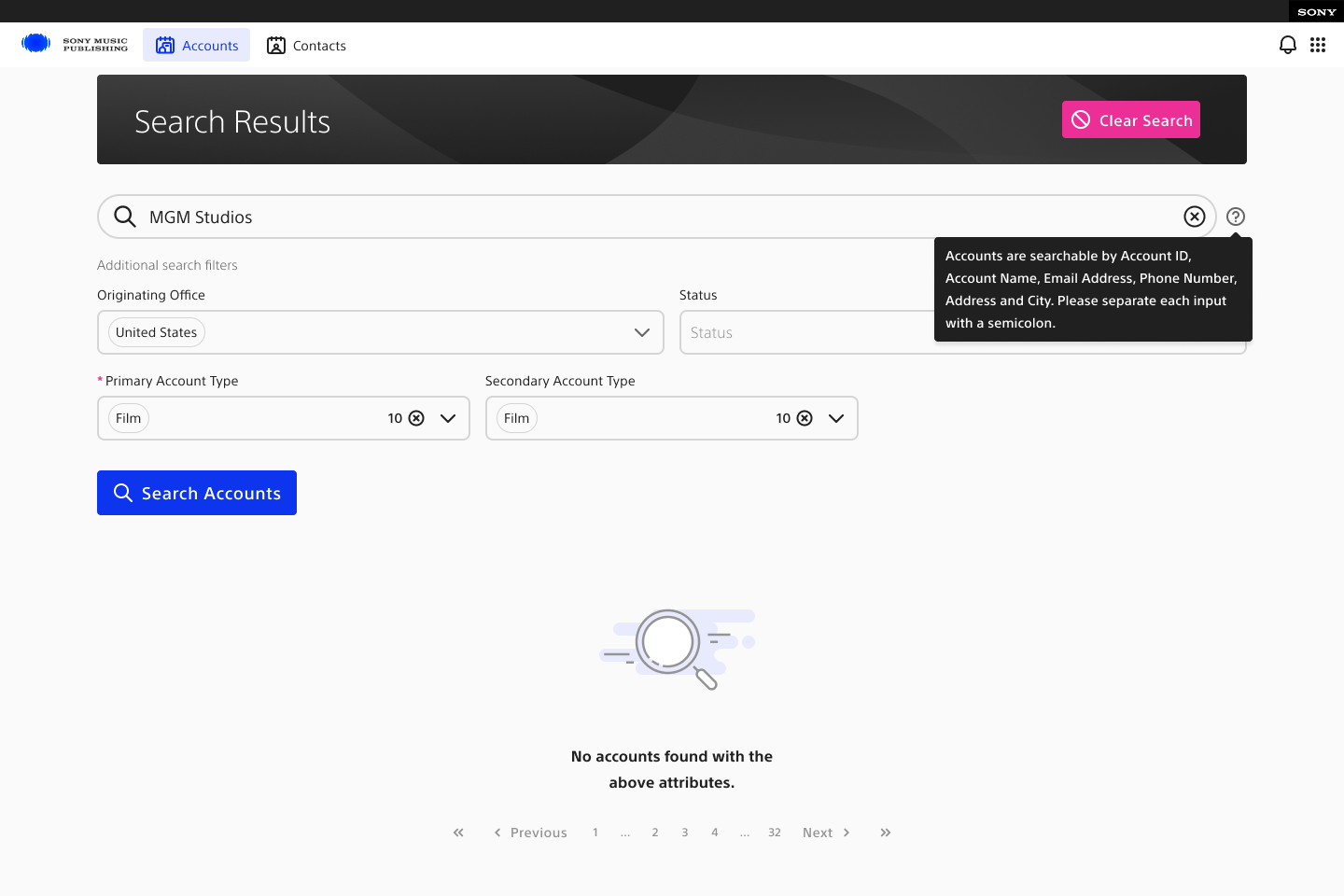
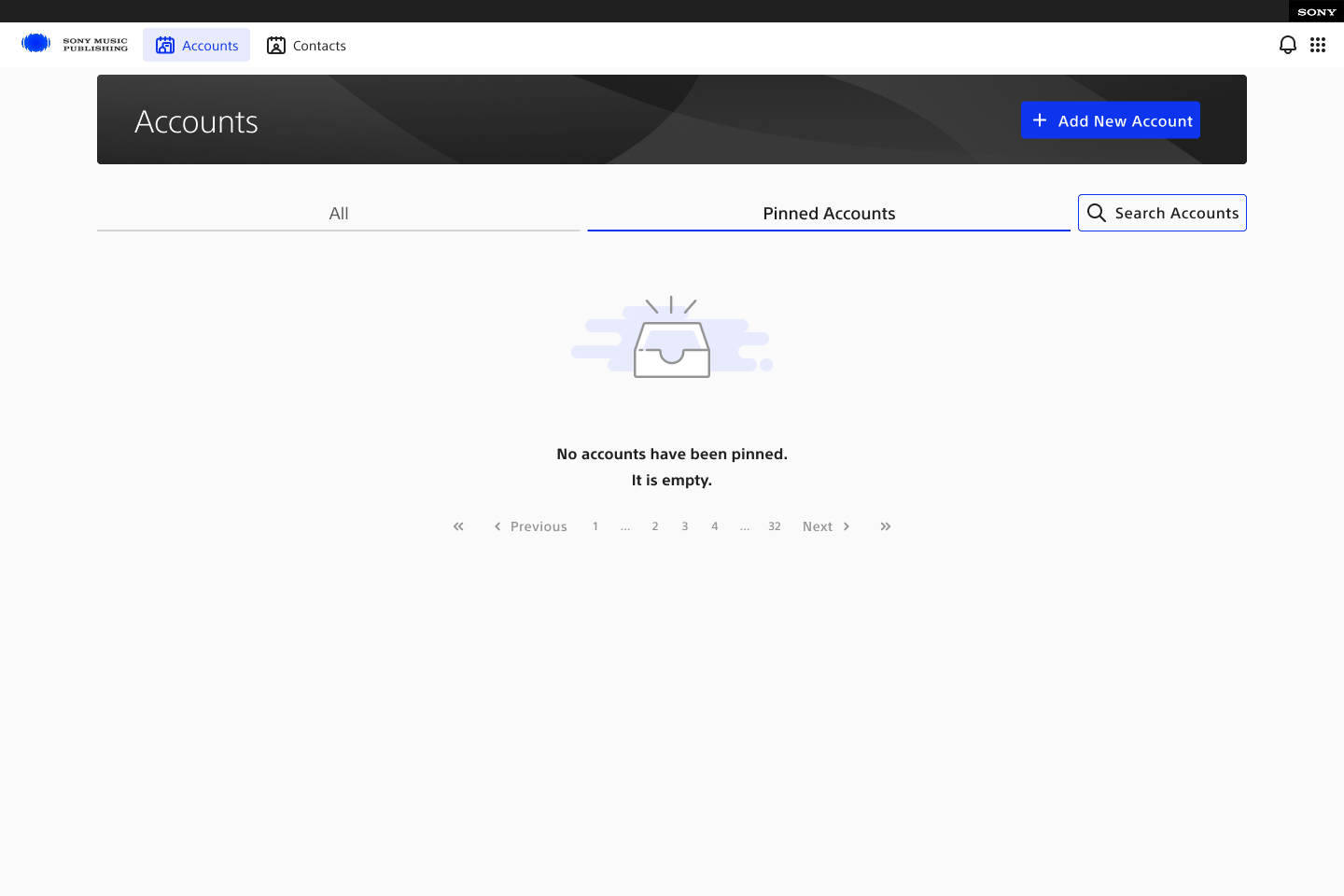
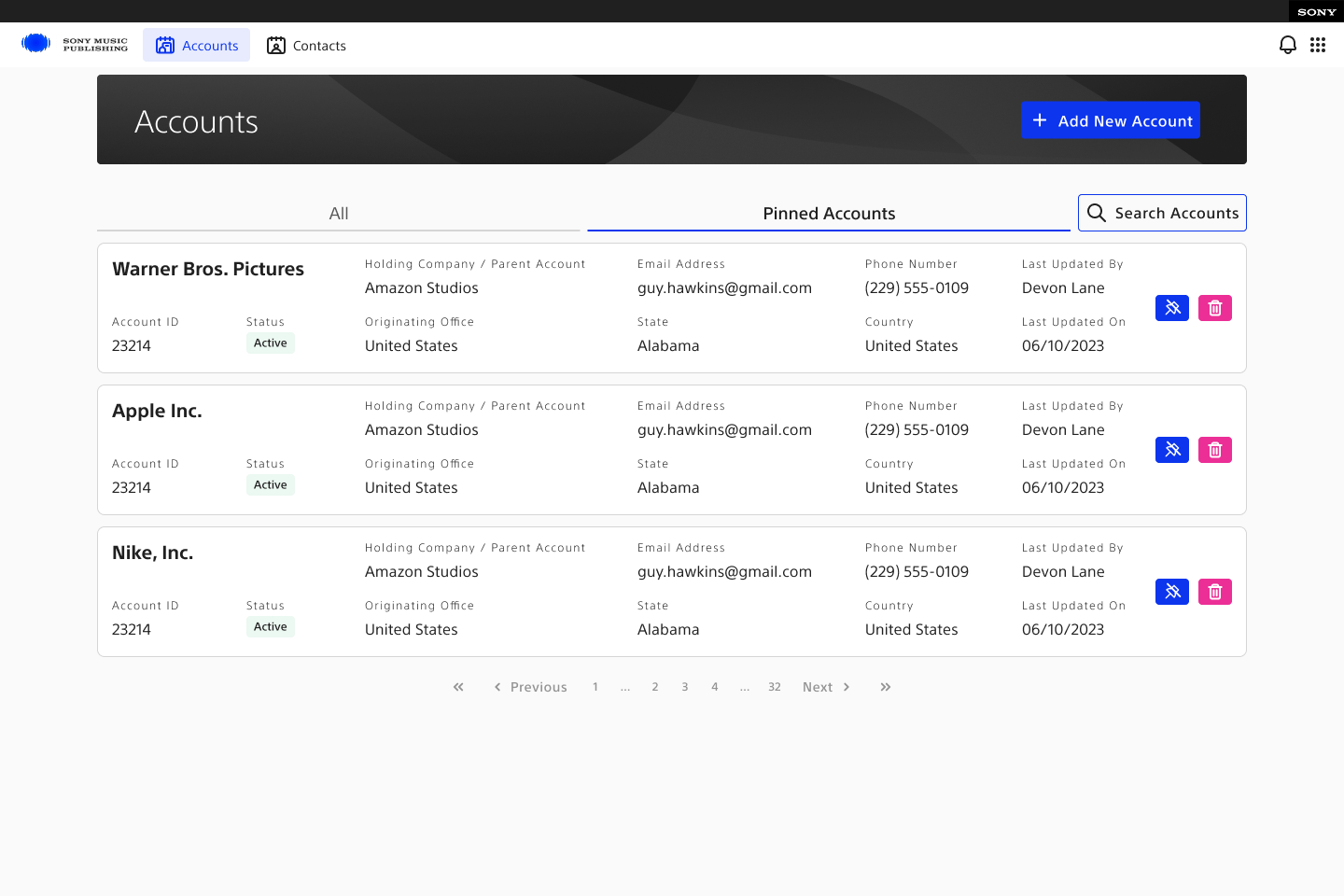
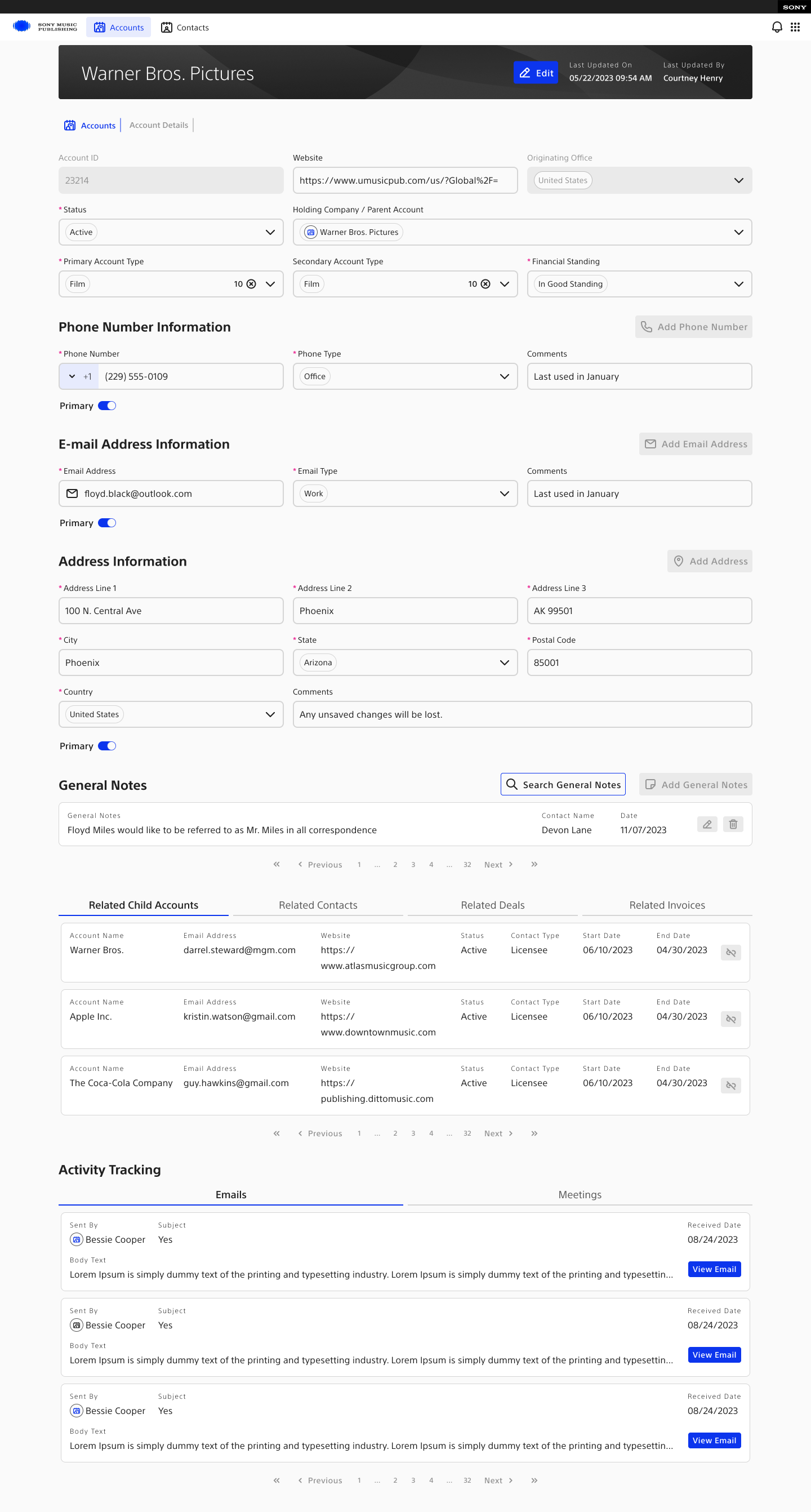
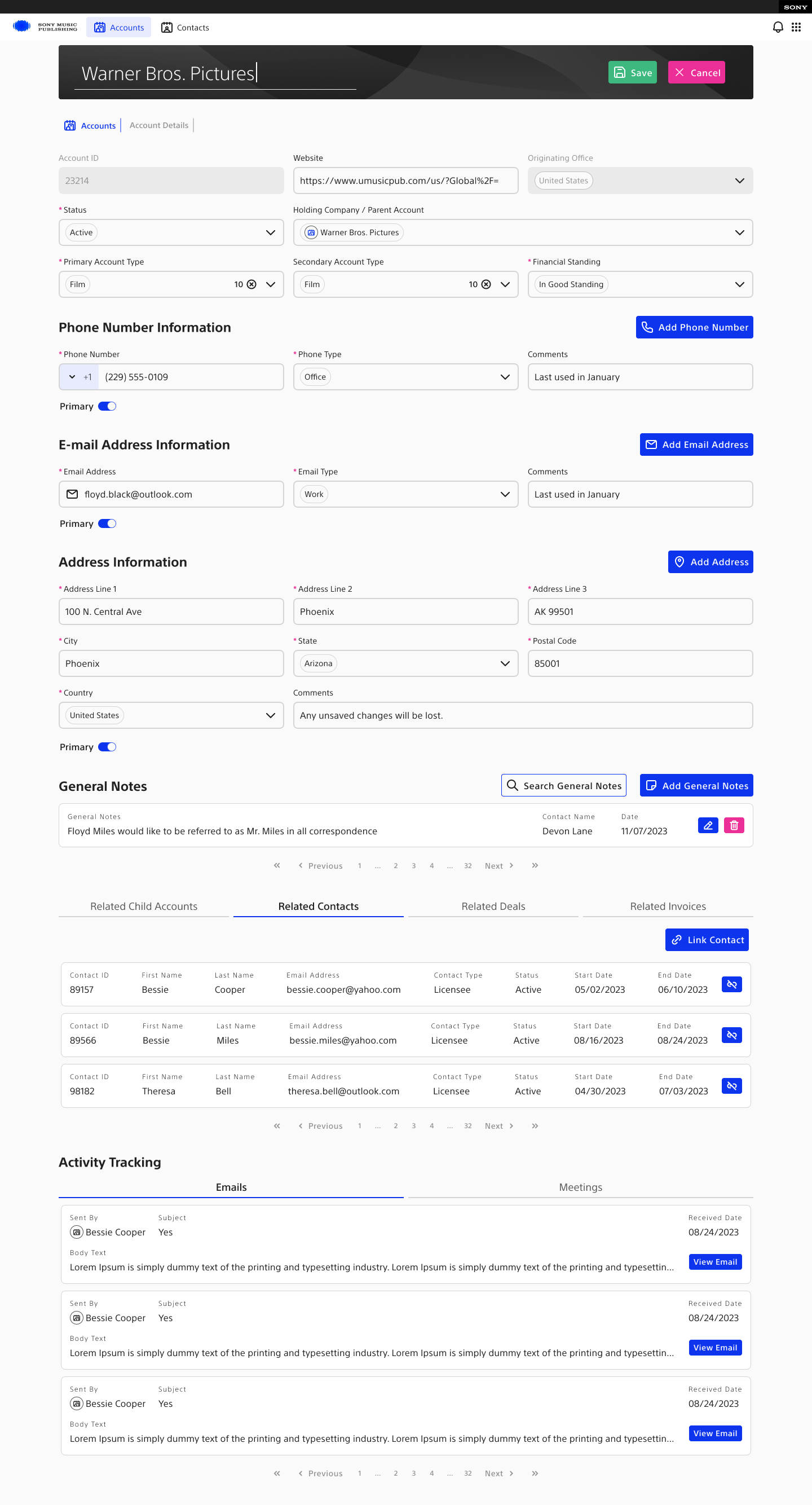
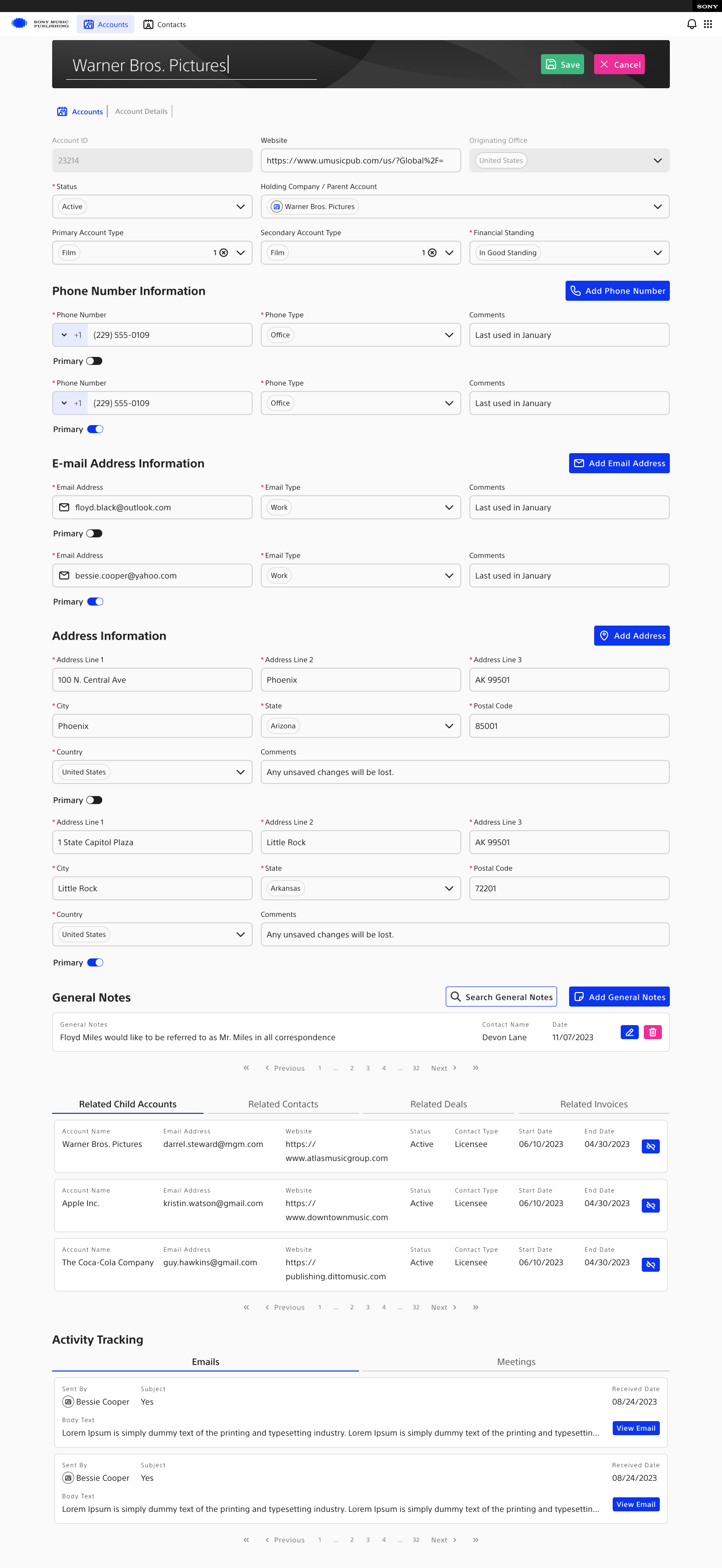
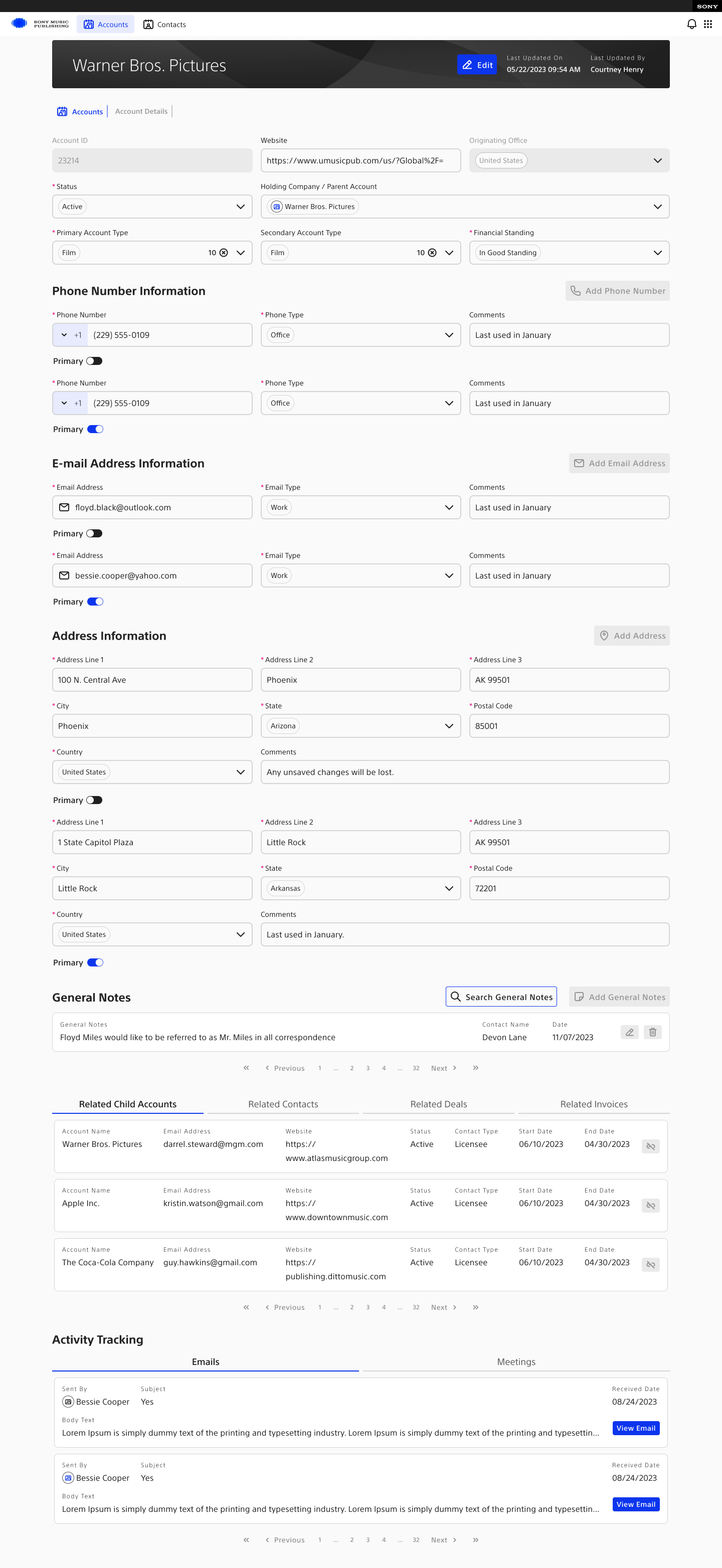
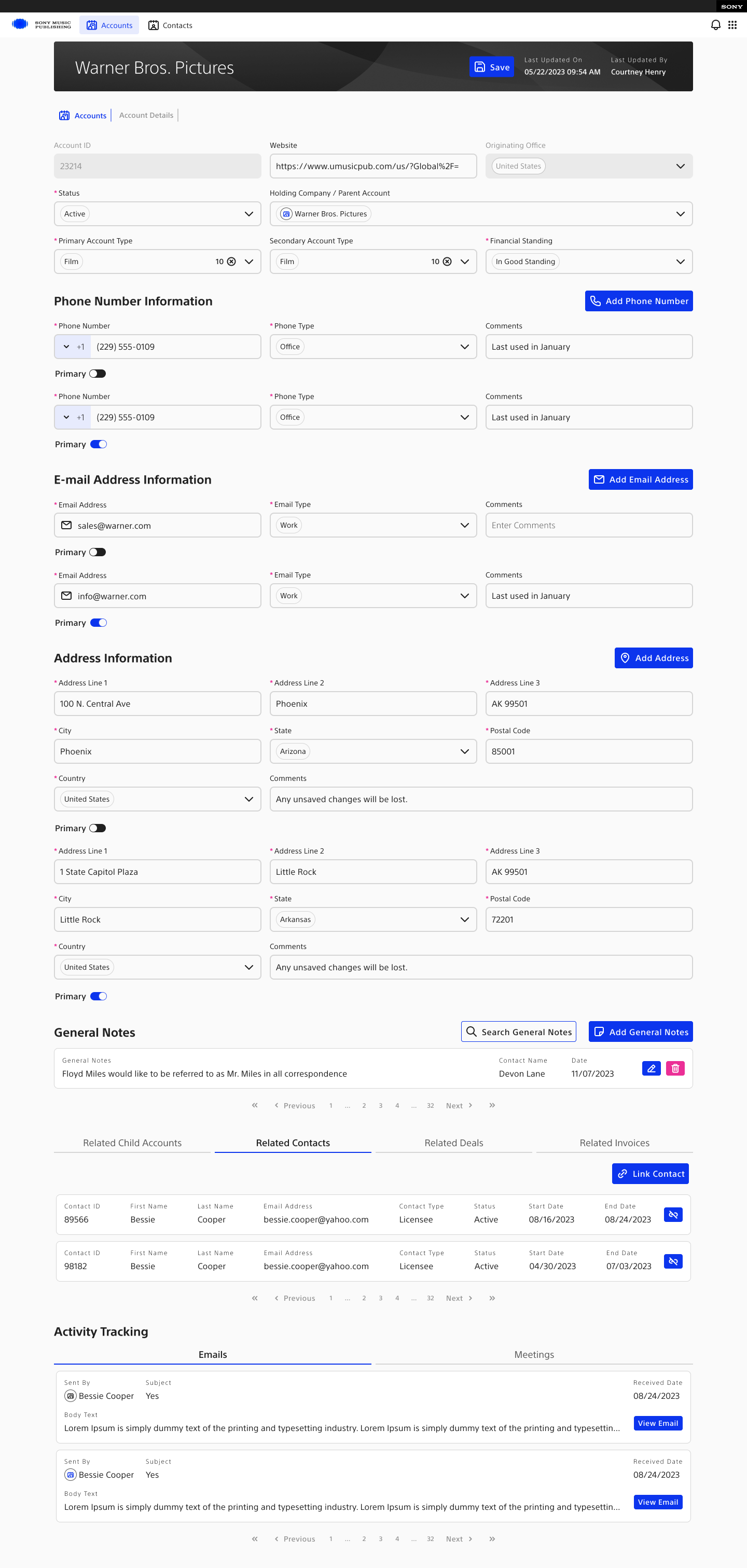
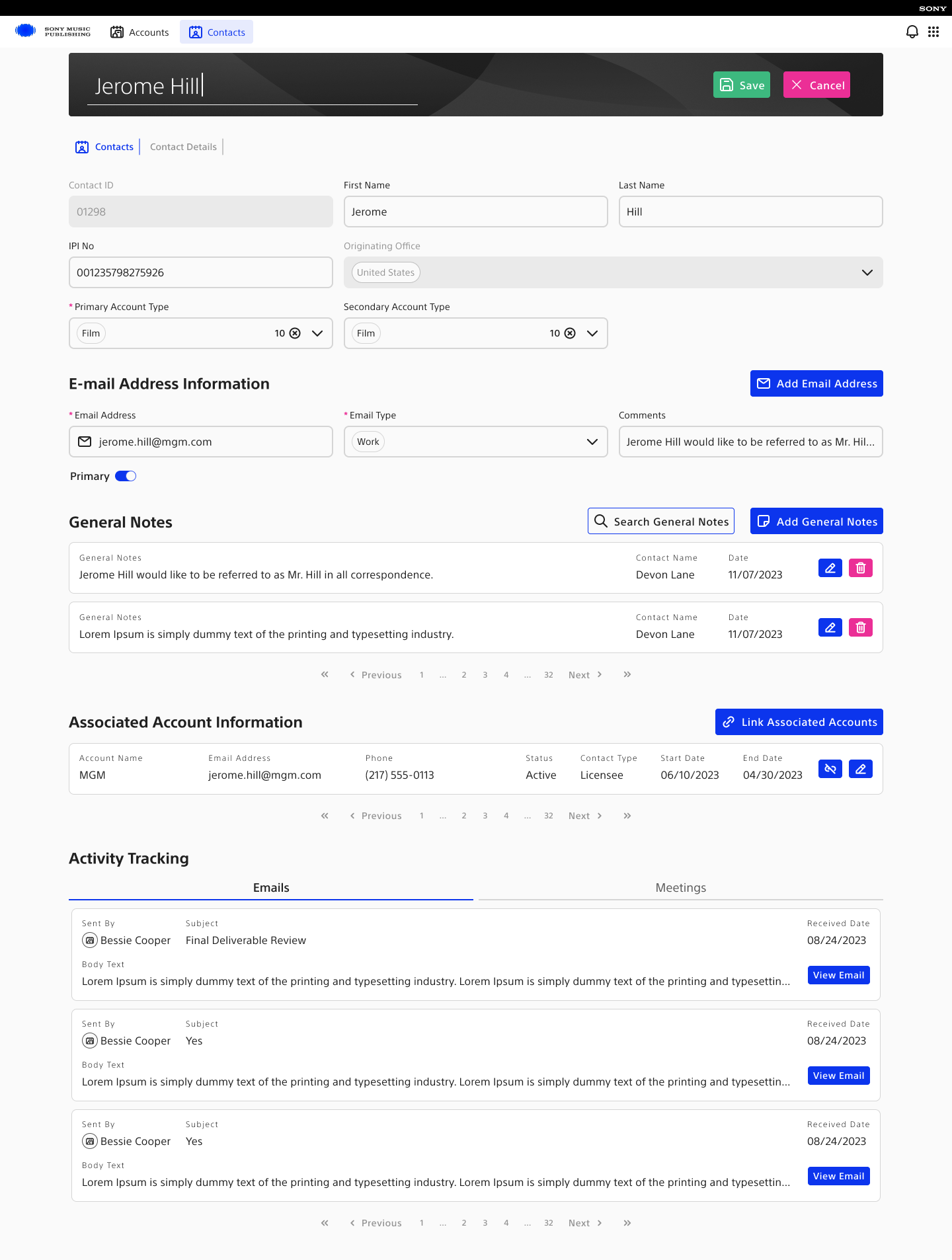
Accounts and contacts
Search, record detail, nested information, and edit states built from the Account and Contact objects.
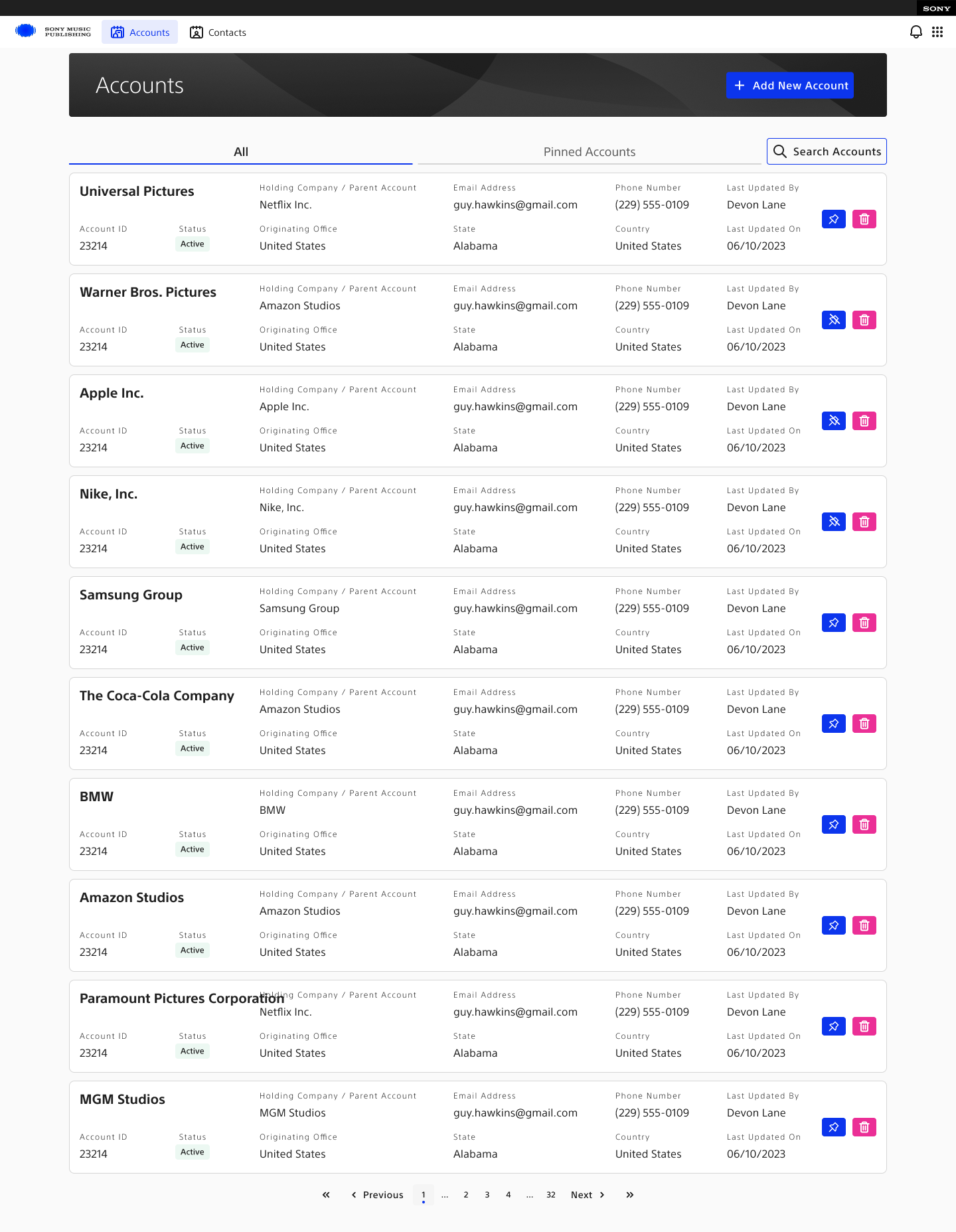
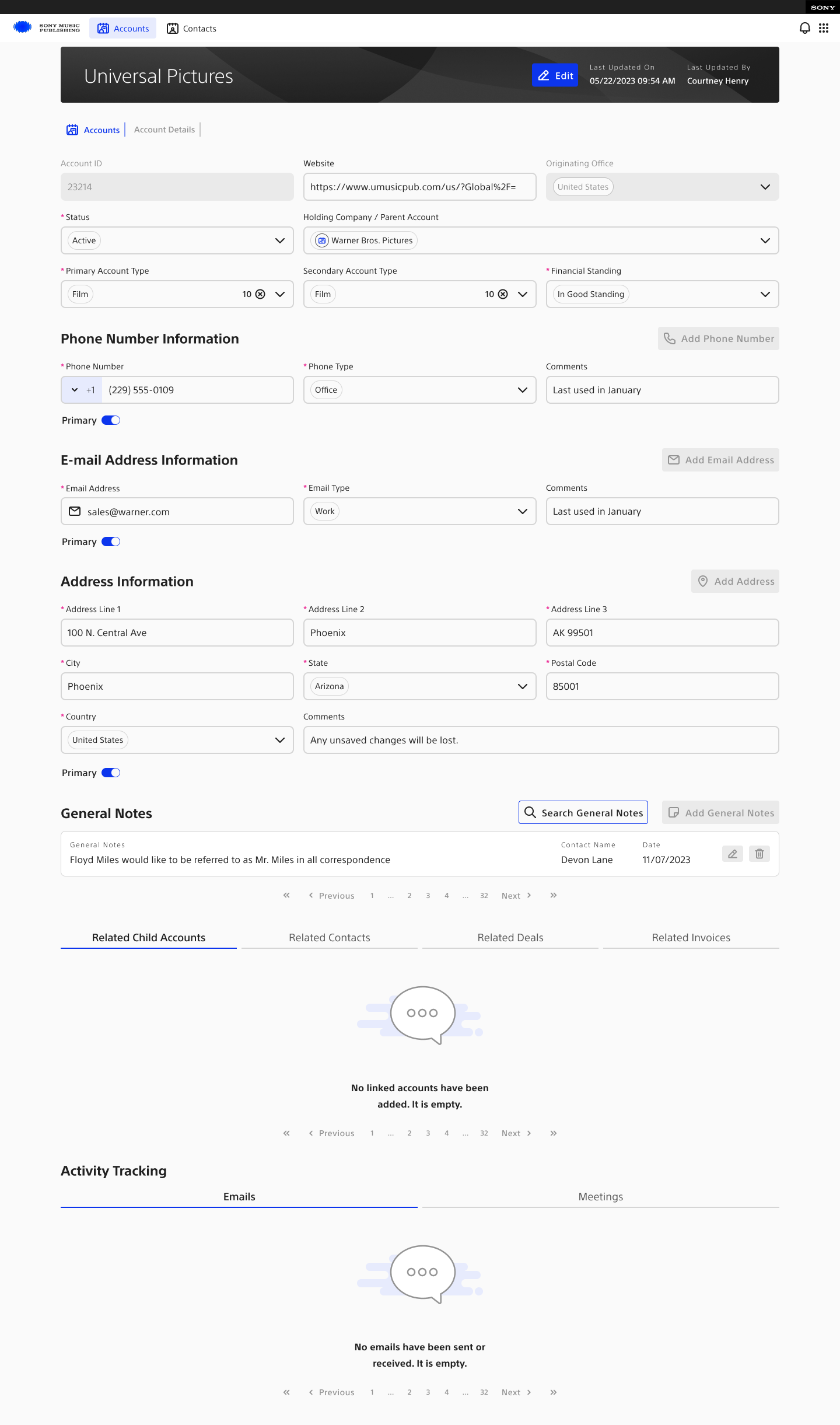
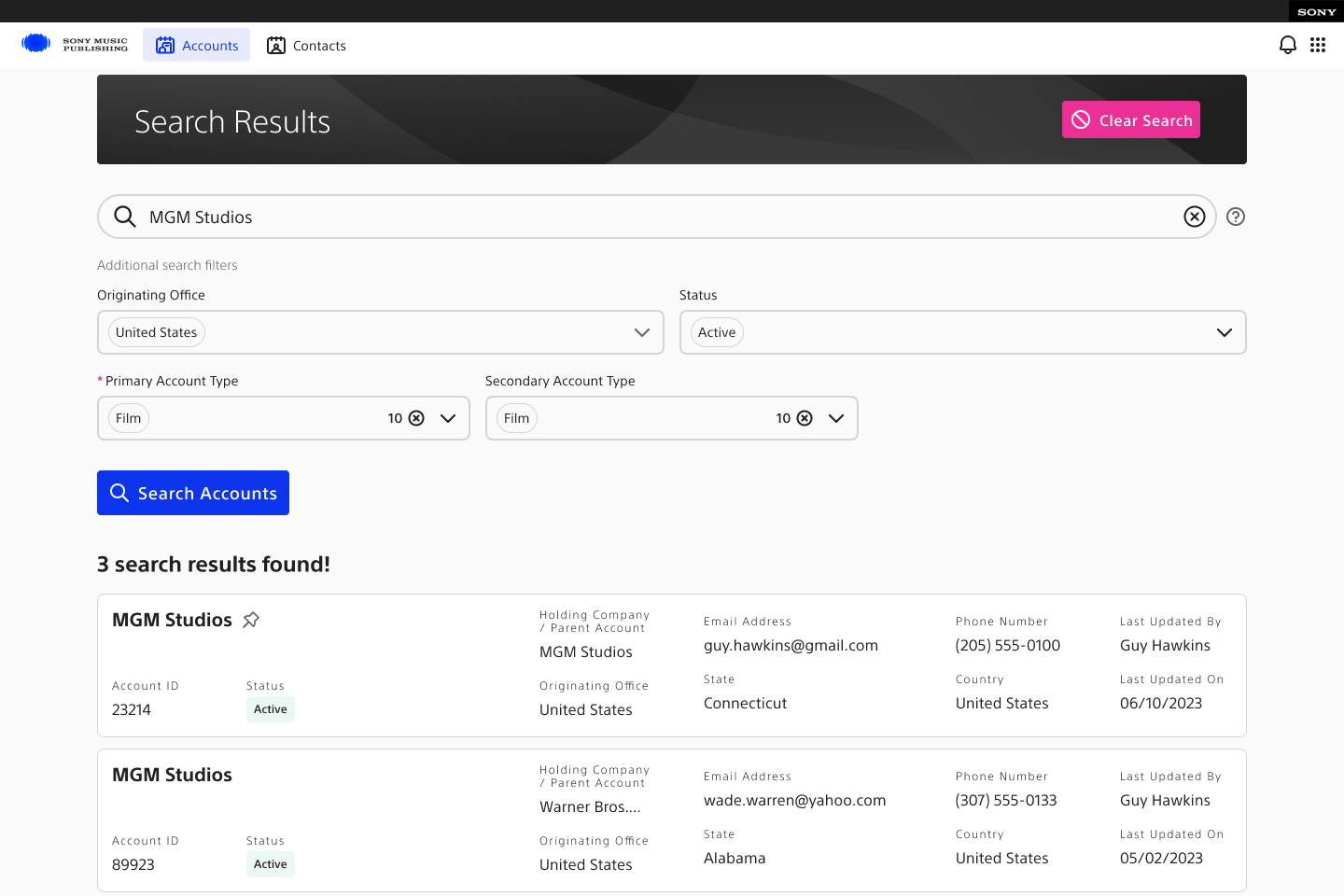
Account and contact statesEmpty states, pinned views, and the complete edit-state sequence.14 artifacts
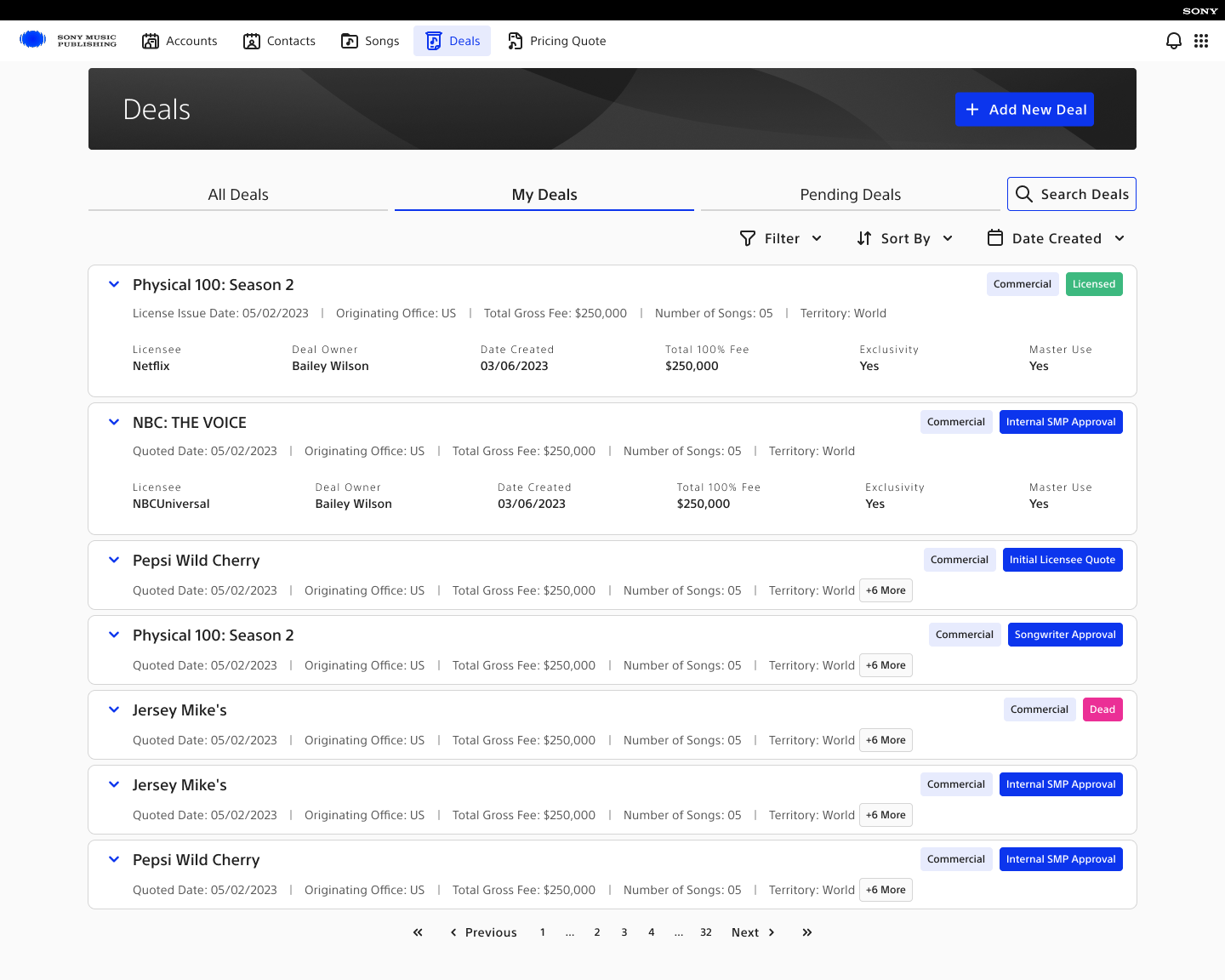
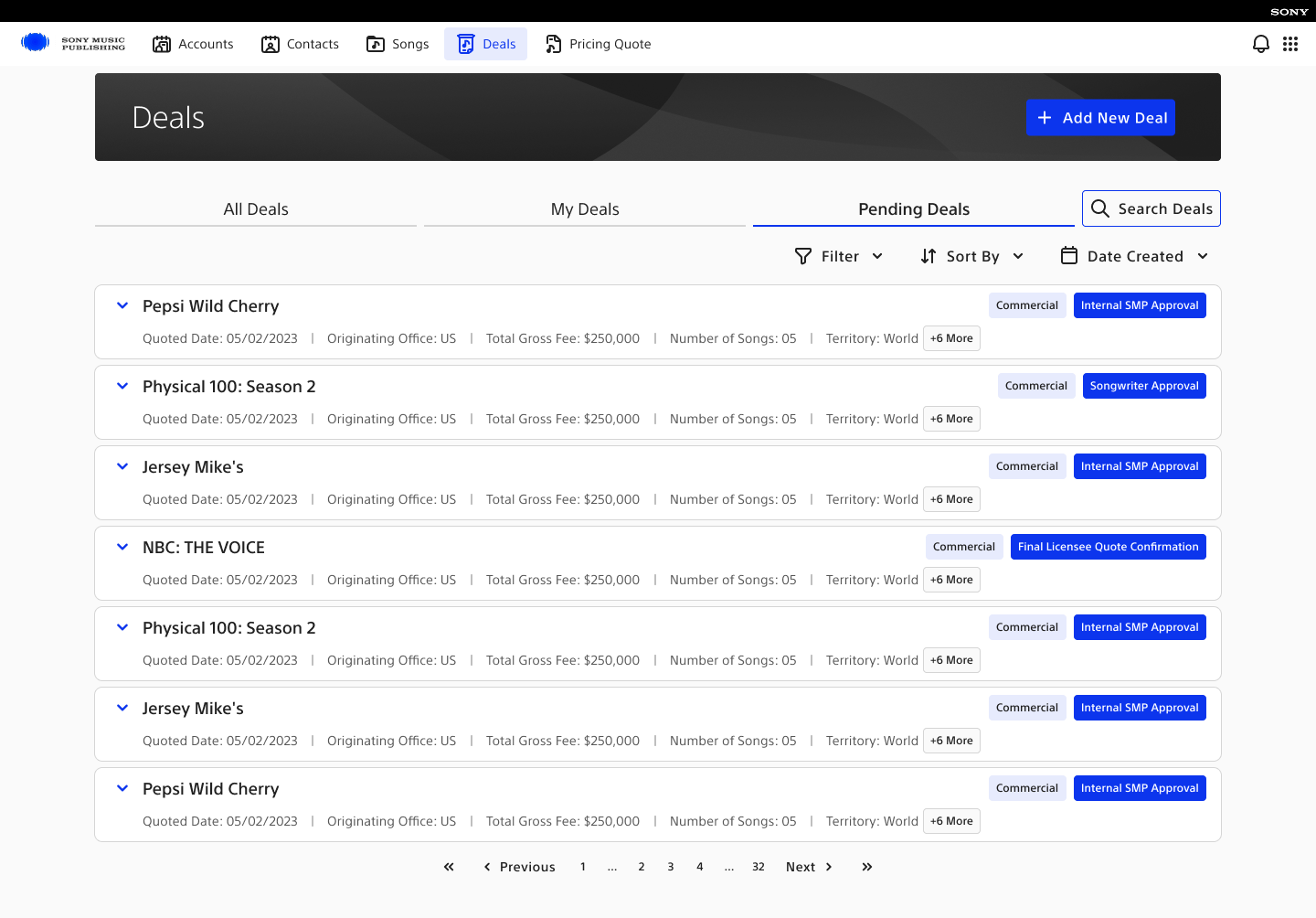
Deal pipeline and workspace
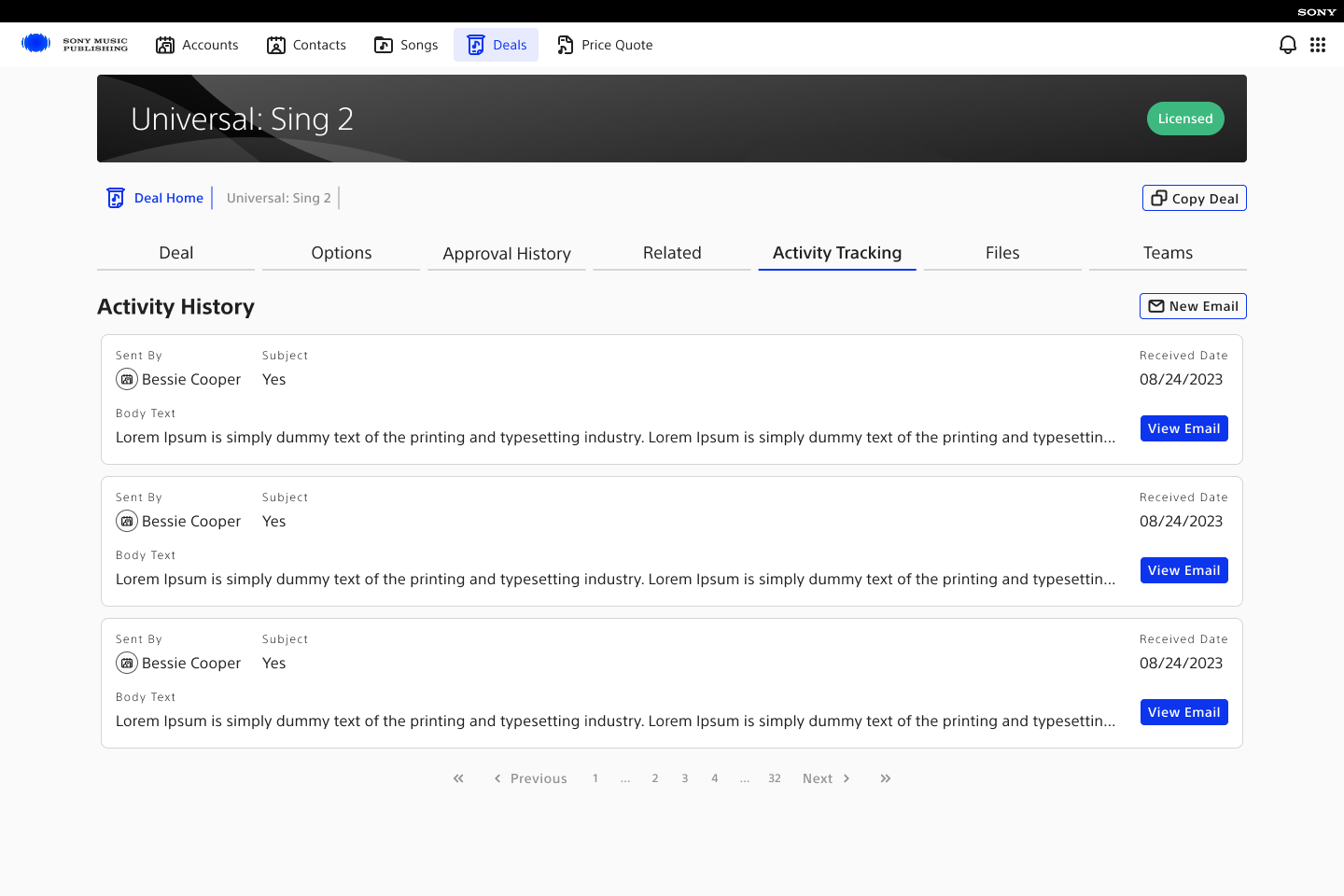
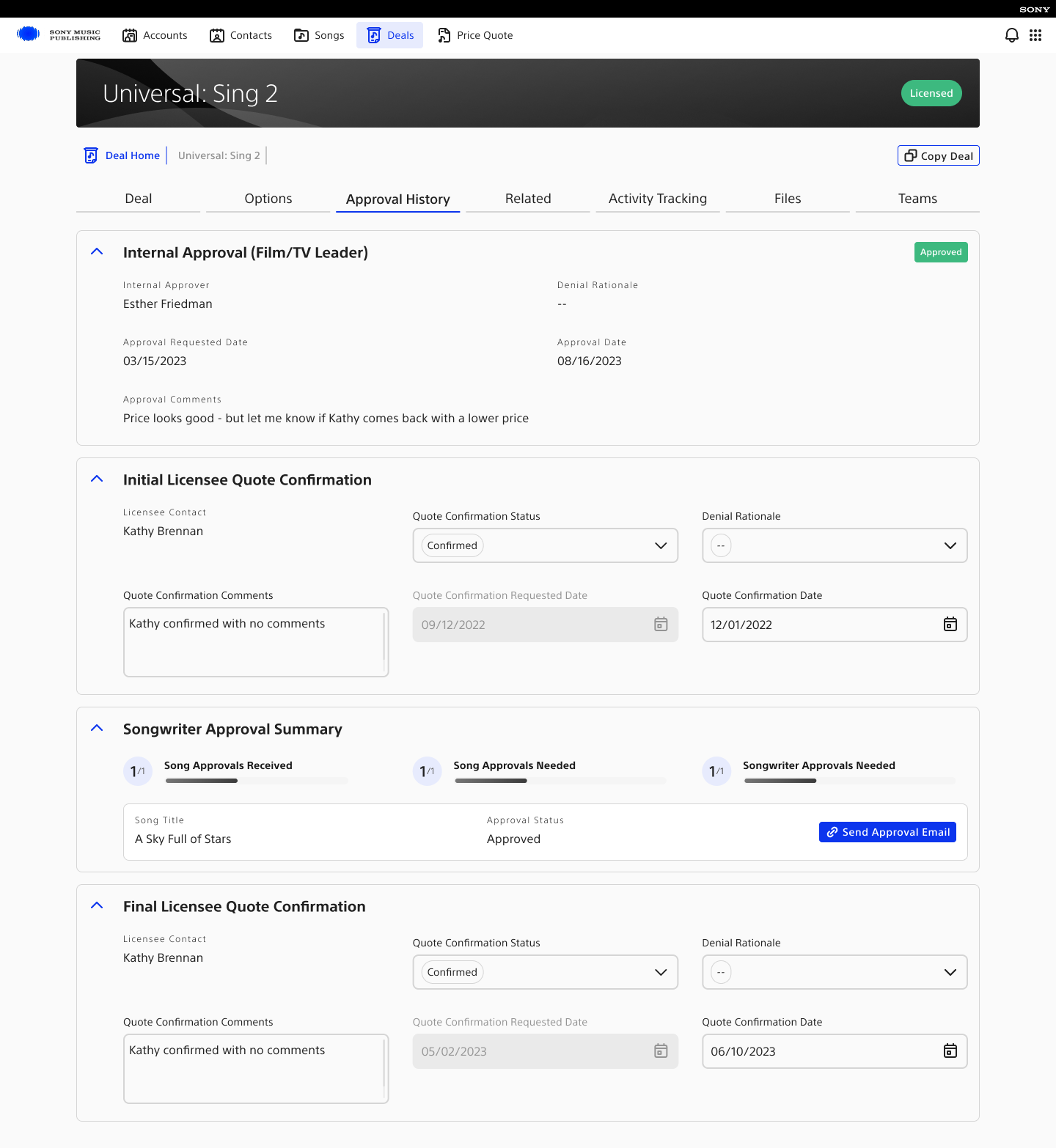
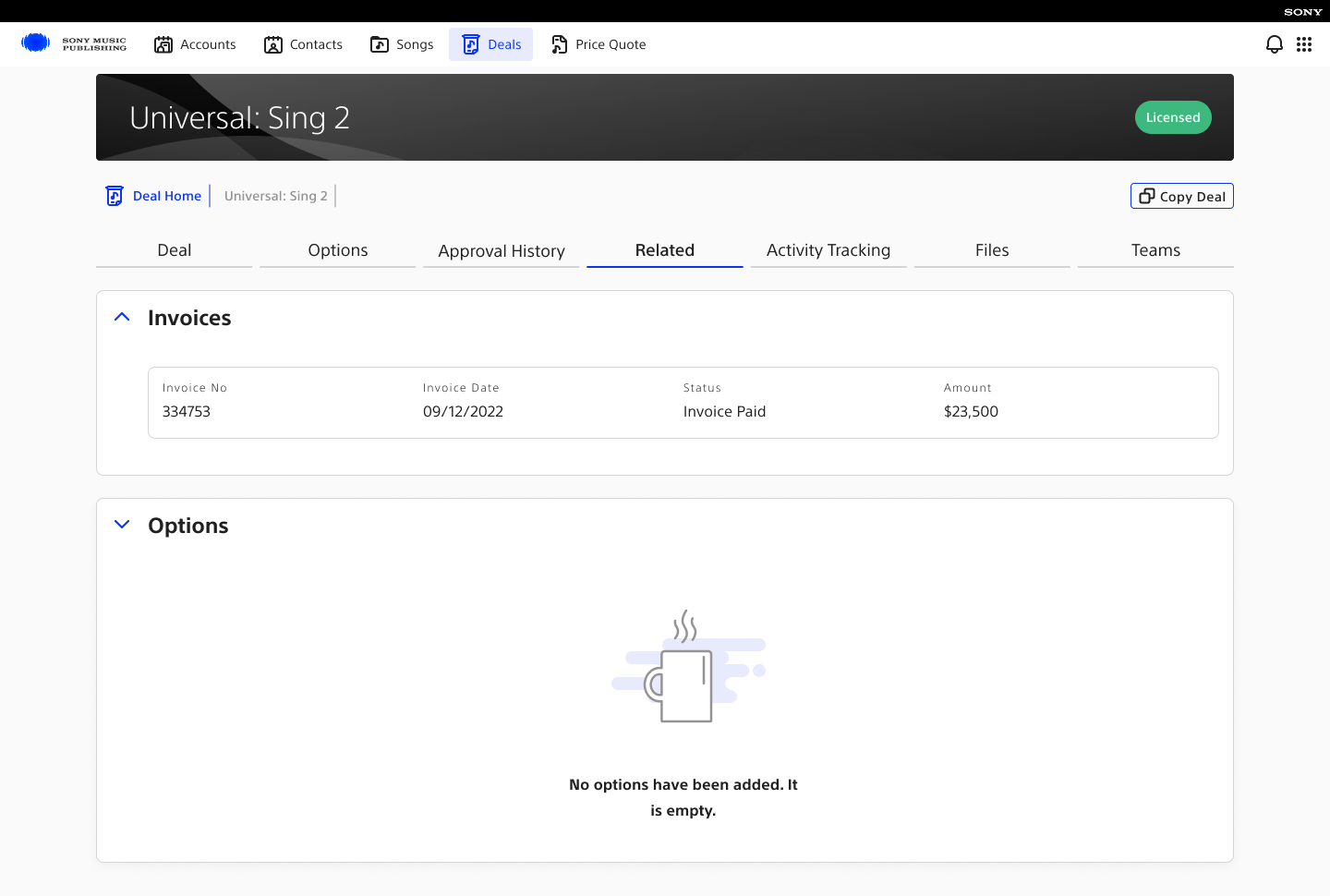
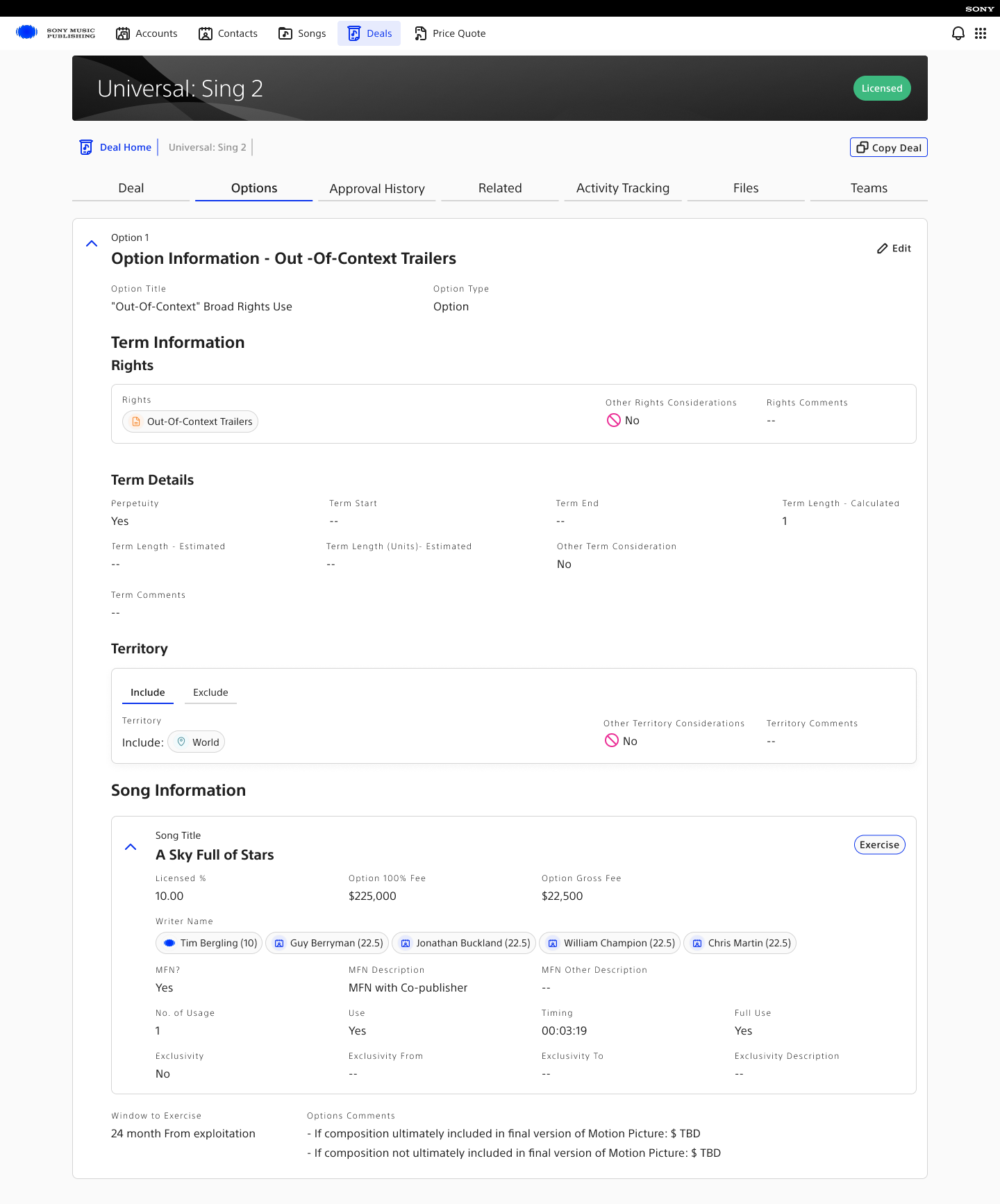
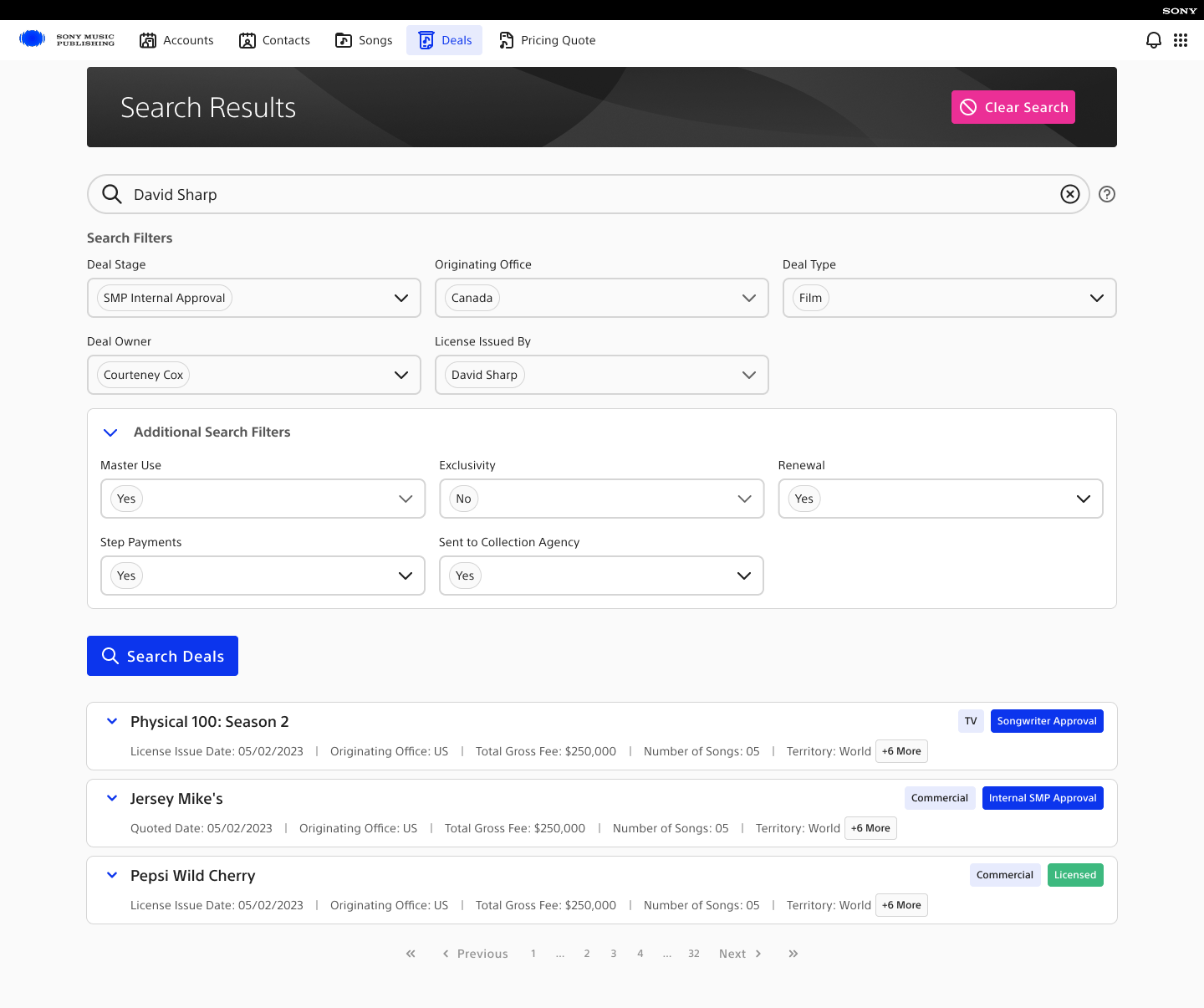
Different workload lenses plus a common deal space for activity, related objects, songs, and options.
Deal workspace + searchTab states, related data, activities, options, and progressive search states.9 artifacts
.png)
.png)
.png)
.png)
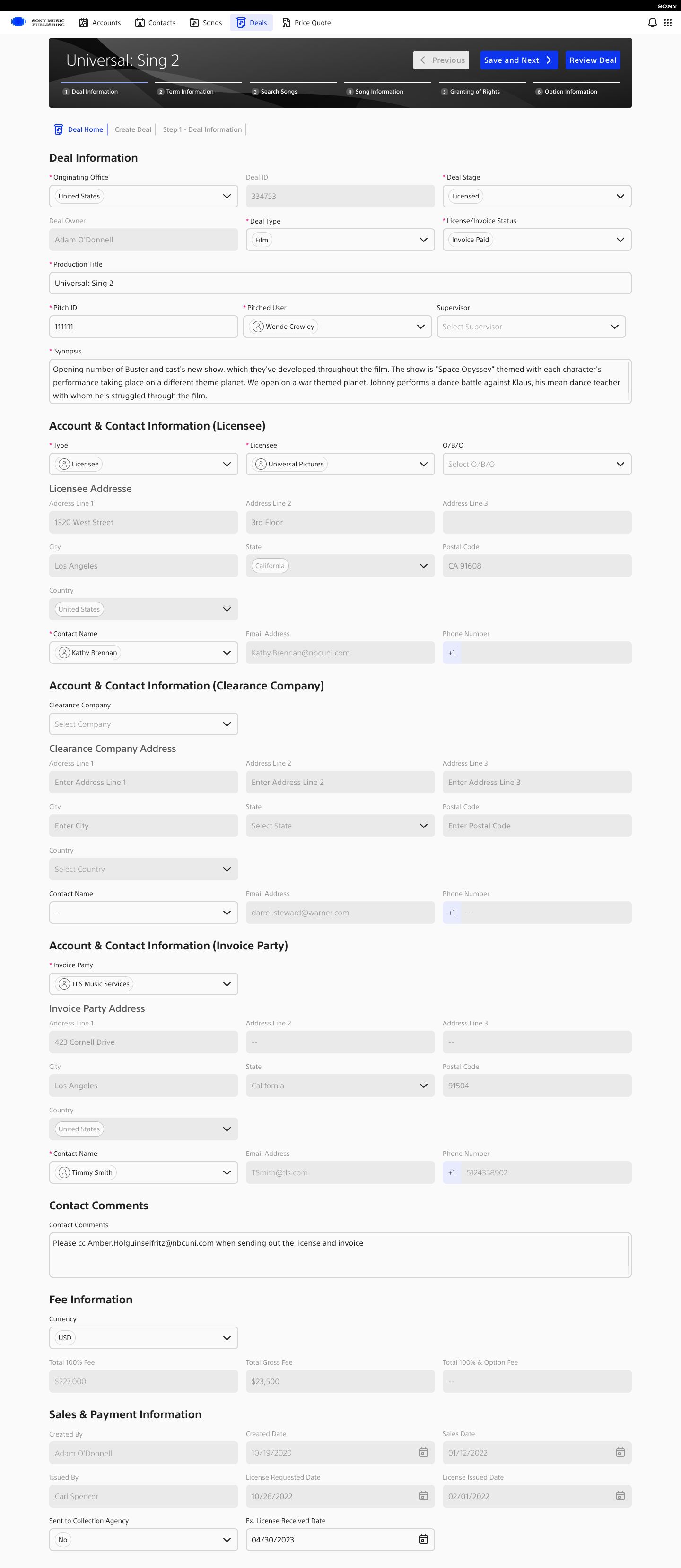
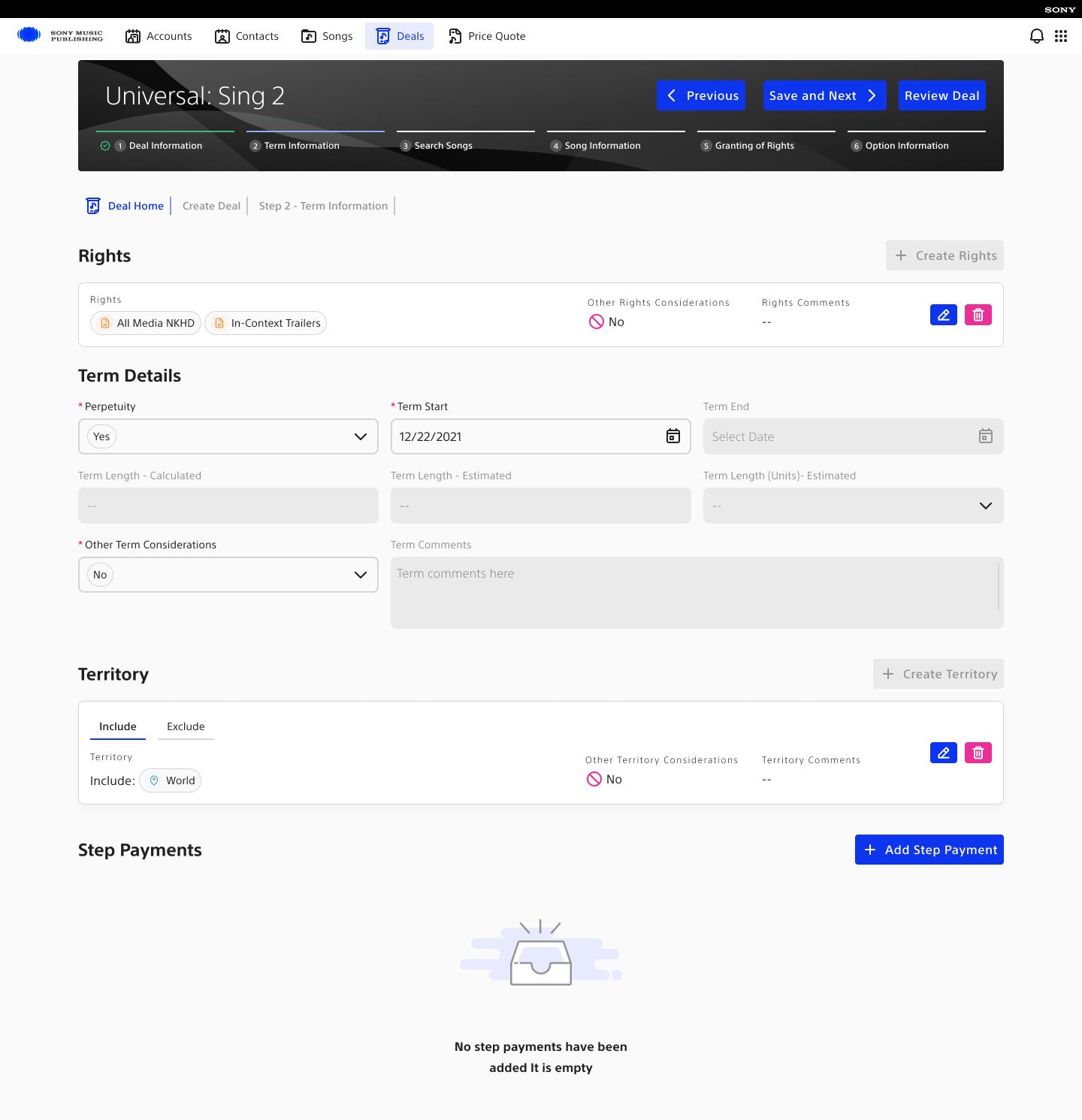
Deal setup and completion
Deal and term context, pricing, and option states establish the workflow around the song and rights decisions shown next.
Deal setup and option statesThe non-song workflow states, including pricing and completion variants.5 artifacts
.png)
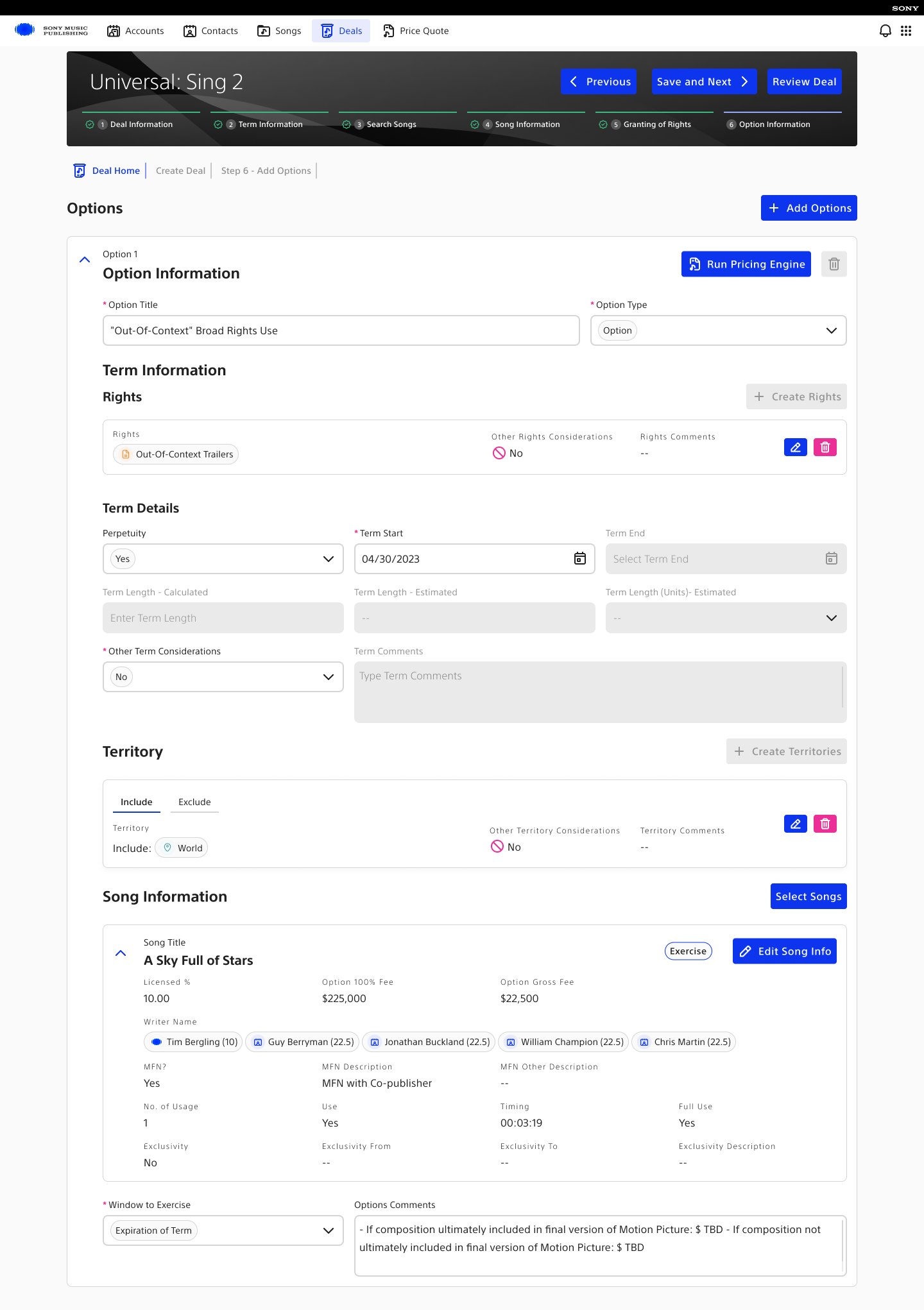
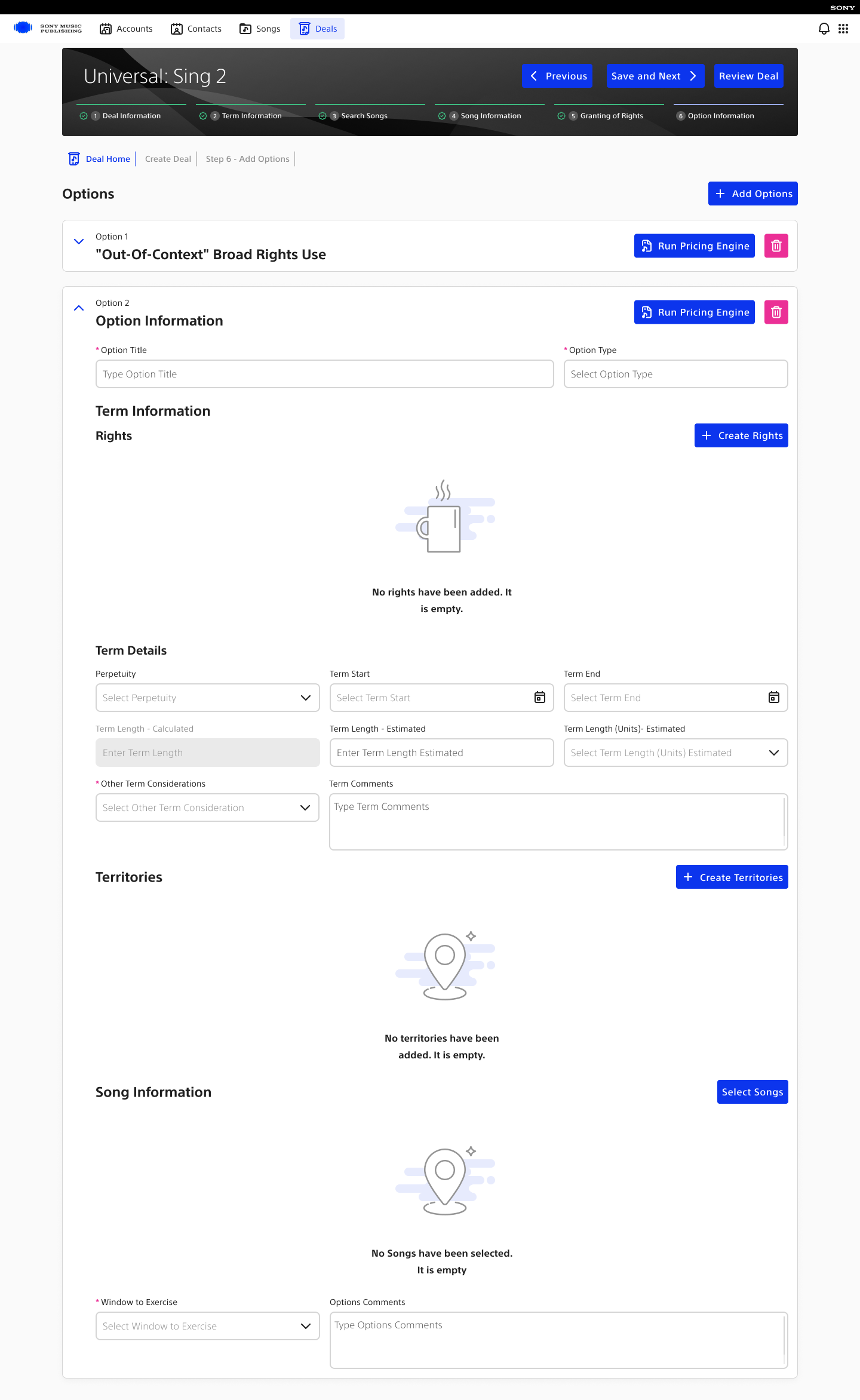
Songs, rights, and restrictions
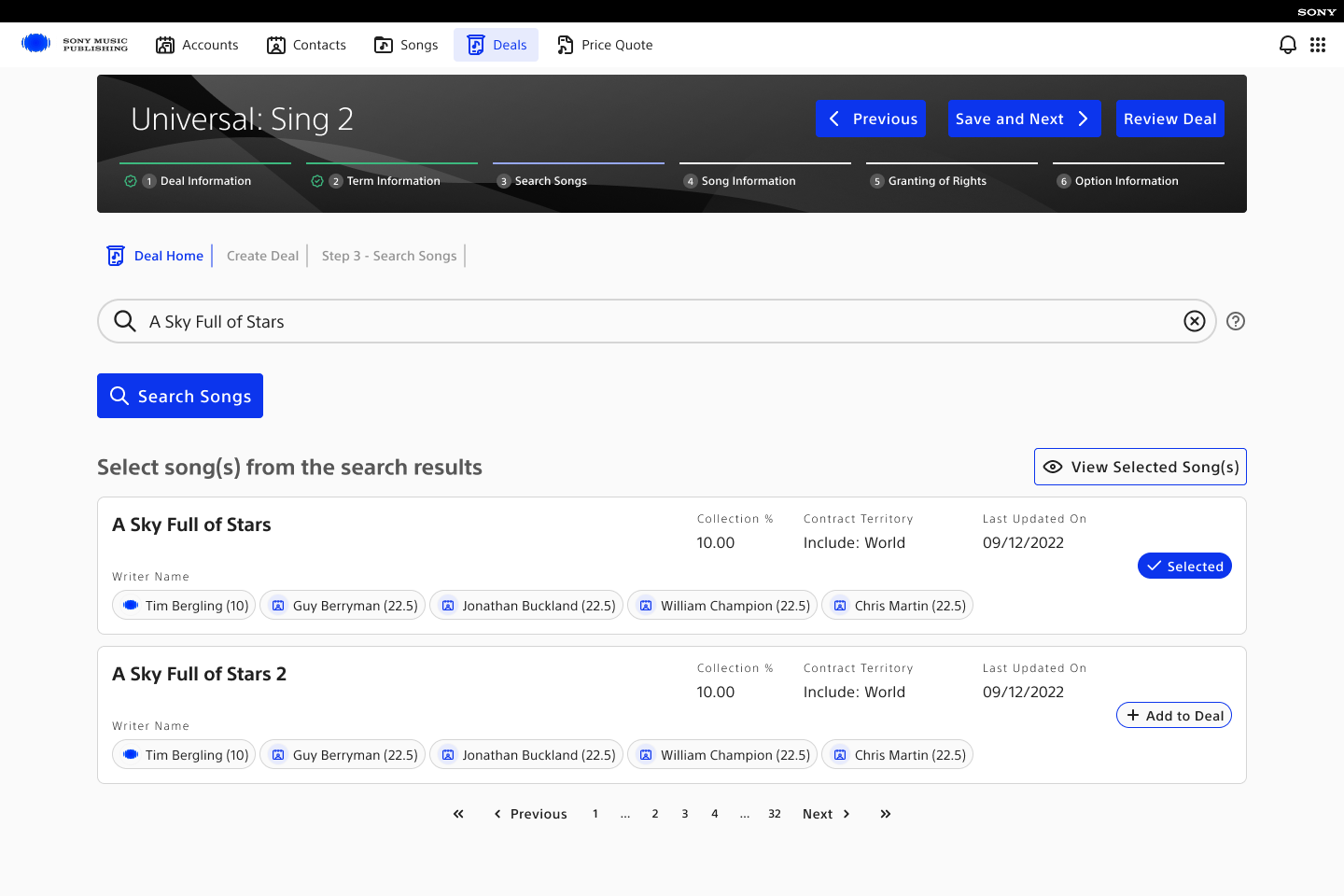
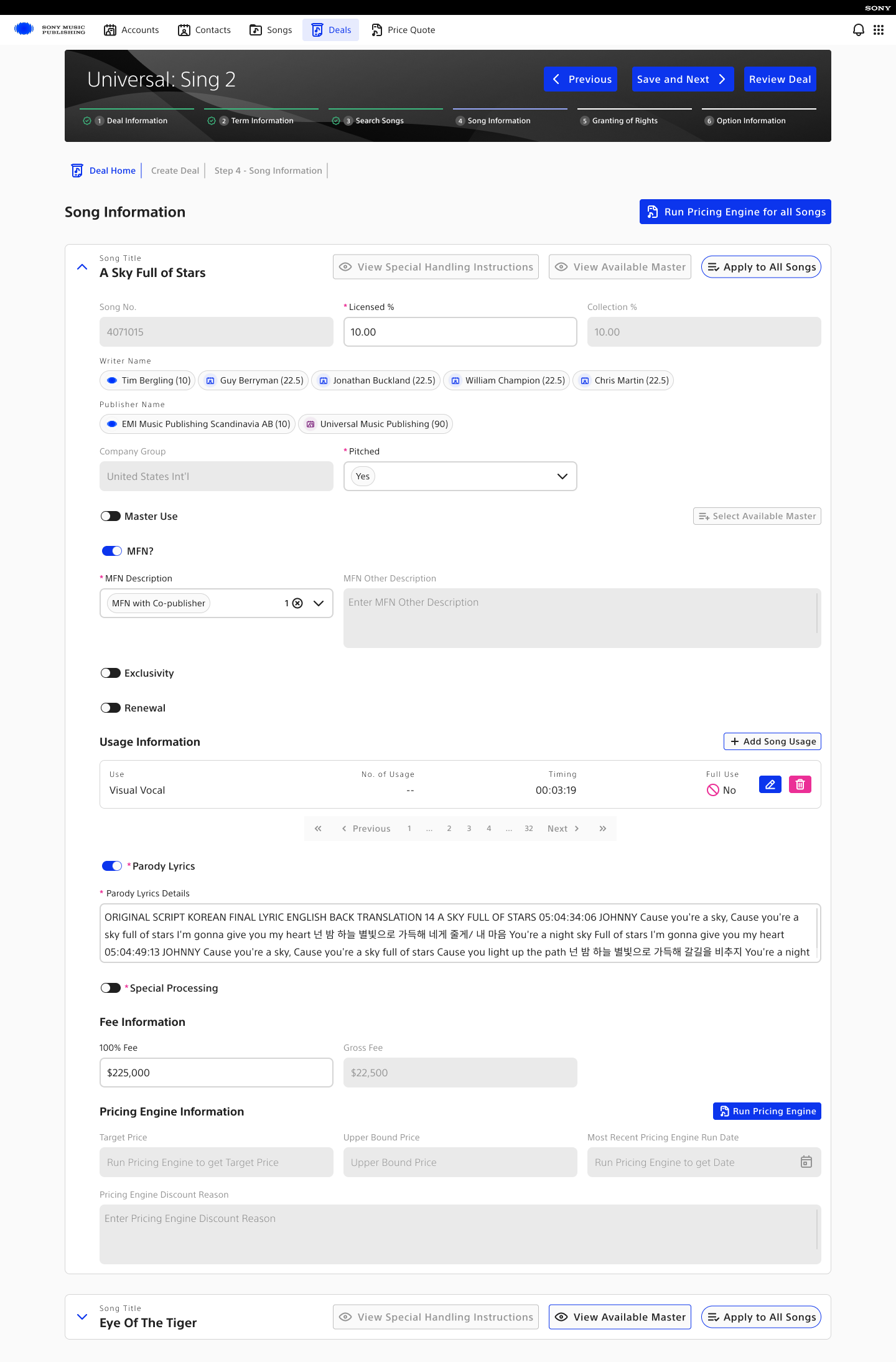
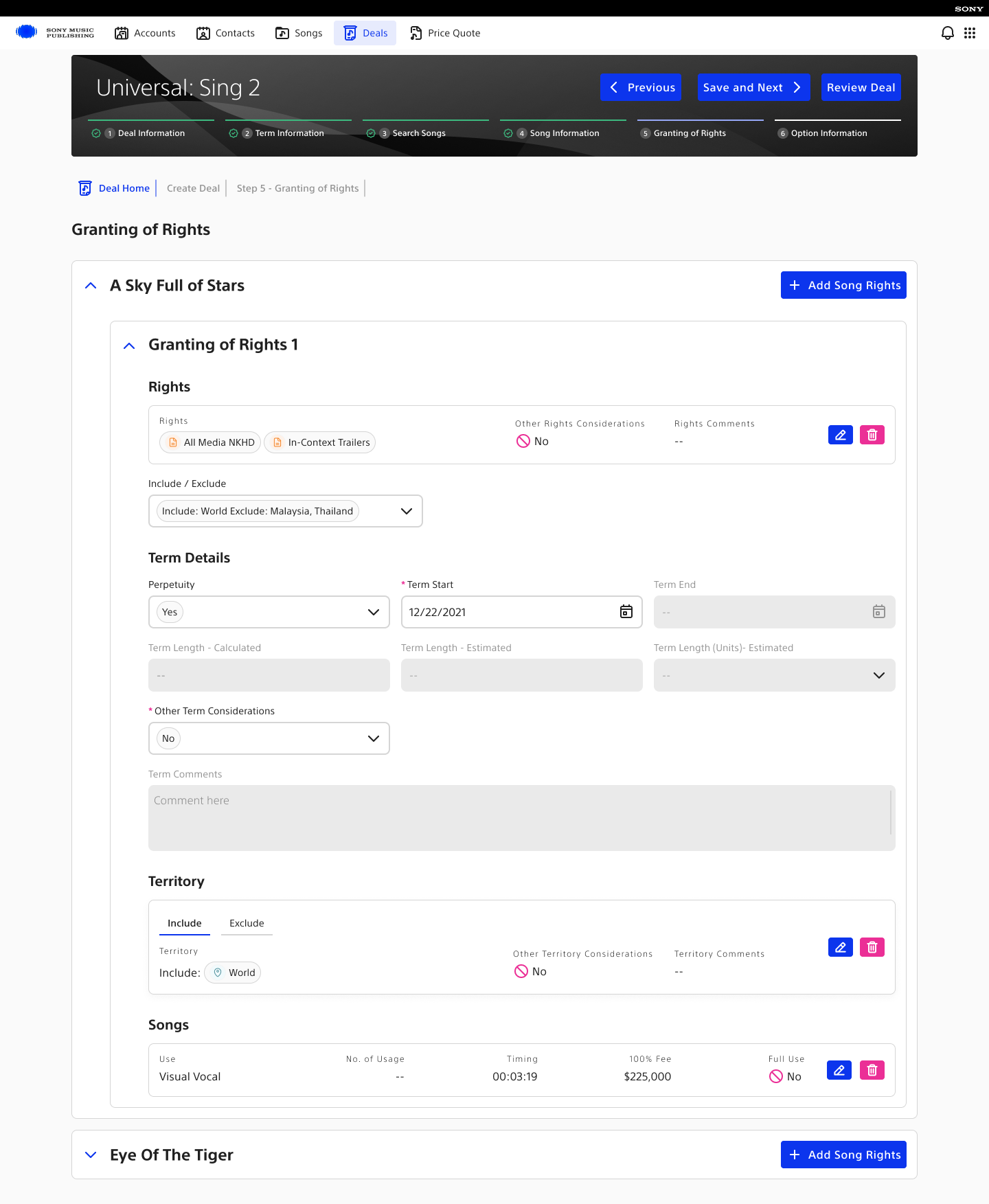
The production interface carries song selection, usage and pricing context, rights, terms, and territory rules through one continuous deal workflow.
Microstates and safeguards
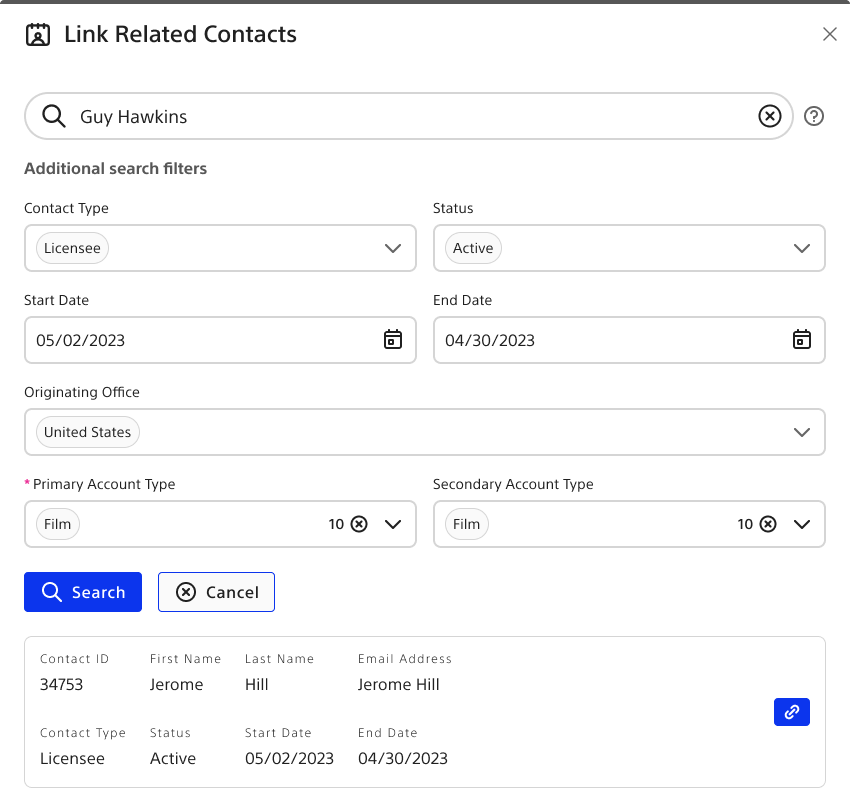
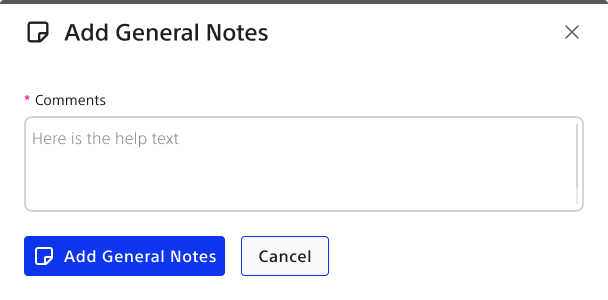
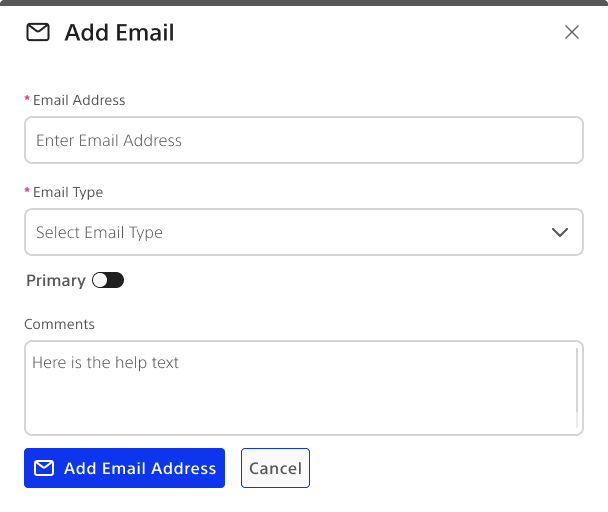
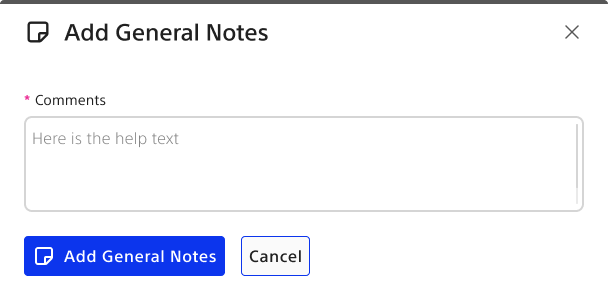
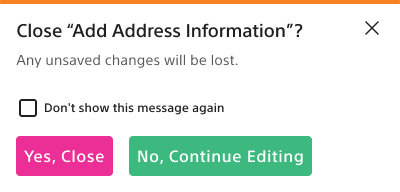
Small states carry operational risk. Modal variants, close confirmations, and relationship linking were designed as part of the system.
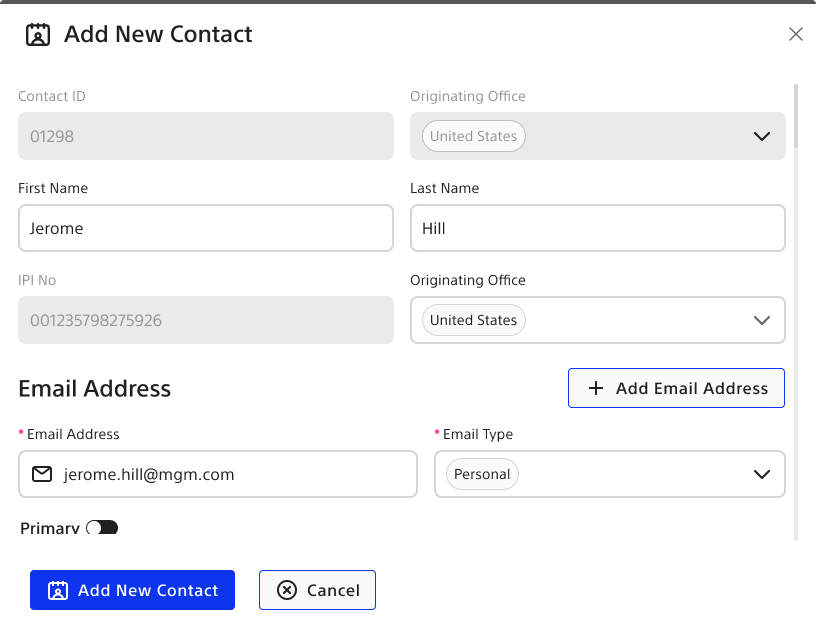
Interaction-state libraryThe remaining modal, confirmation, and relationship-linking states.5 artifacts
Outcome
A clearer operating model, measured in weeks and effort.
Teams moved from fragmented coordination to a structured workflow where the right objects, states, and next actions were visible in one place.
Weeks to close a deal, by reducing manual coordination and improving visibility.
Manual effort, by reusing object data and cutting repeated entry.
Approval admin, by making ownership, state, and blockers visible.
Quote creation, down from 3–5 days, by clarifying the objects and rules.
reflection
When the domain is messy, teams ask for better screens. But the real work was making the business objects explicit enough that the workflow could finally move.The clearest example of why I still rely on OOUX for complex enterprise products.